How to practice stress relief shower meditation effectively
Anúncios
Introduction
In today’s fast-paced world, stress is inevitable. Our minds constantly juggle tasks, deadlines, and endless notifications, often leaving us overwhelmed. Finding effective ways to relieve stress is not a luxury but a necessity for maintaining a healthy body and mind. While there are many techniques to manage and reduce stress, shower meditation has emerged as a unique and accessible practice that combines the calming effects of water with mindfulness meditation. This creative approach to stress relief engages the senses, promoting a tranquil mind state amidst the day’s chaos.
Shower meditation may sound unconventional, but it’s an incredibly effective tool for grounding and centering yourself. This practice utilizes the calming properties of water as a medium for meditation, allowing individuals to engage in mindfulness in an often overlooked space: the shower. As the warm water cascades over your skin, the rhythmic sound of droplets can drown out external distractions, setting the ideal environment for meditation. In this article, we will explore how shower meditation can be effectively practiced and the numerous benefits it can offer for stress relief.
Anúncios
What is Stress Relief Shower Meditation?
Stress relief shower meditation is a practice that incorporates mindfulness meditation techniques into your daily shower routine. Unlike traditional meditation, which relies on a quiet space and a sitting position, shower meditation harnesses the sensory experience of a shower—sound, touch, and warmth—to promote relaxation and mindfulness. This form of meditation is particularly appealing for those who find sitting still and maintaining focus a challenge.
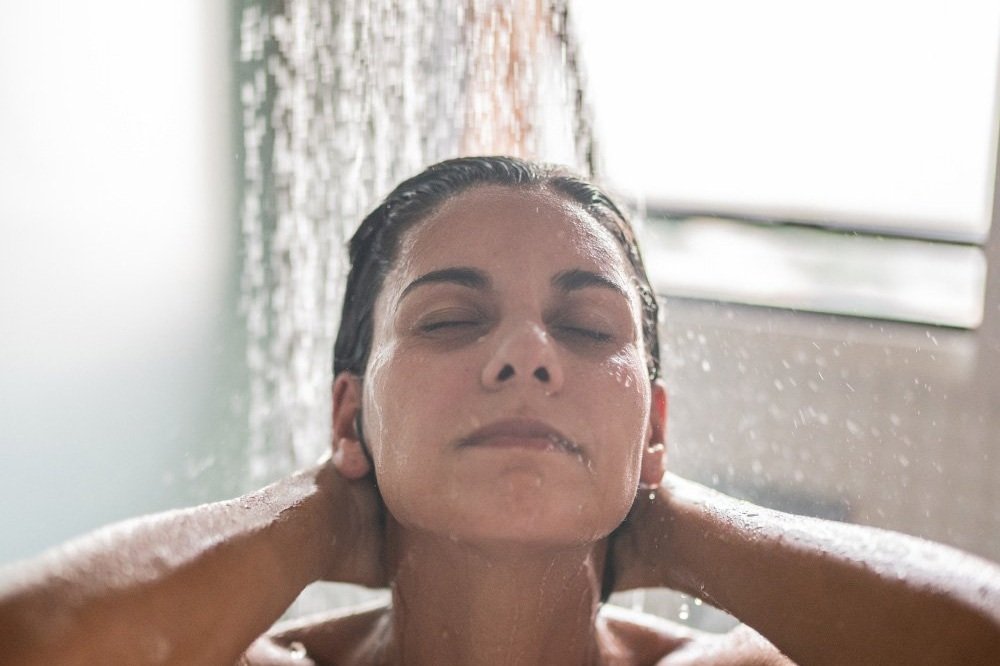
The key to shower meditation is the mindful awareness of the present moment. As you stand under the water, you bring your attention to the sensations of the water on your skin, its temperature, and the sound as it splashes and flows. The steam filling the air can serve as a visual cue to return focus to breath and presence. This process helps quiet the racing thoughts of the mind, allowing for a brief respite from stress and anxiety.
Anúncios
The versatility of shower meditation is one of its greatest strengths. It can be easily adapted to fit into any lifestyle or schedule, making it an accessible way to incorporate mindfulness practice without requiring additional time commitments in your day. Whether you have 10 minutes or 30, you can adjust the length of your meditation to fit your needs.
The Science Behind Meditation and Stress Relief
Meditation has long been recognized as a potent tool for stress relief, supported extensively by scientific research. The practice of meditation activates the parasympathetic nervous system, which is responsible for slowing the heart rate and breathing, promoting a state of calm and relaxation. The calming effect helps to lower cortisol levels, the hormone frequently associated with stress, allowing the body to recuperate from stress reactions.
Mindfulness meditation, in particular, has been shown to change the structure and function of the brain. Studies using MRI technology have observed increases in gray matter density in regions associated with emotion regulation, such as the hippocampus, after consistent meditation practice. These changes indicate improved stress management capabilities and emotional resilience, crucial for navigating daily stressors effectively.
Moreover, meditation encourages the release of neurotransmitters like serotonin and dopamine, enhancing mood and creating a sense of well-being. This neurological impact is akin to the effects of many common stress relief activities, but with the added benefits of fostering long-term mental health improvements. The combination of warm water and meditation in a shower environment amplifies these effects, providing both immediate and enduring benefits.
Benefits of Practicing Mindfulness in the Shower
Practicing mindfulness in the shower presents an array of physical and mental health benefits beyond simple stress reduction. A mindful shower can enhance overall health by shifting mental focus from worries and anxieties to the soothing sensations experienced in the present moment. This shift in focus can replenish energy levels, making you more active and alert as you go about your day.
- Improved Concentration and Focus: By engaging the senses and focusing on the tactile sensations of water, you strengthen your ability to concentrate, a skill that translates to better performance in work and personal tasks.
- Enhanced Mood and Cognitive Function: The mindfulness practiced during a shower meditation increases feelings of relaxation and contentment, which can elevate your mood and sharpen cognitive function throughout the day.
- Physical Relaxation: The steam and warmth of the shower can also aid in loosening stiff muscles and reducing physical tension, enhancing the overall relaxation experience. This reduces the prevalence of stress-related aches and pains, such as tension headaches.
In addition to these benefits, integrating shower meditation into daily routines can improve unhealthy habits by promoting an enhanced mind-body connection that encourages healthier decisions and greater self-awareness.
How to Prepare Your Shower Space for Meditation
Setting the stage for a successful shower meditation involves creating an environment that fosters relaxation and focus. The shower space, once prepared, becomes a sanctuary, a place where distraction is minimized and the senses can fully engage in the meditation practice.
Steps to Prepare Your Shower Space:
- Clean and Declutter: Begin by ensuring your shower area is clean and free from clutter. An uncluttered space is less likely to trigger stress responses and helps create a sense of calm.
- Lighting: Consider using soft, dim lighting or adding candles to create a soothing atmosphere. Avoid harsh or fluorescent lighting, which can be disruptive to relaxation and mindfulness.
- Sound: If you enjoy music, select calming instrumental or ambient music to play softly in the background. Alternatively, embrace the natural sound of the water, which can be therapeutic on its own.
- Adjust the Temperature: Make sure the water temperature is comfortable for you. Warm water is typically most relaxing, but others might prefer cooler or alternating temperatures based on their preference.
- Aromatherapy: Incorporate essential oils or scented candles to enhance the sensory experience. Oils like lavender, eucalyptus, or chamomile promote relaxation and can improve the overall meditation session.
Creating a consistent environment each time you meditate in the shower increases the likelihood of achieving the desired meditation goals, whether that’s stress relief, mindfulness, or emotional clarity.
Step-by-Step Guide to Stress Relief Shower Meditation
Embracing shower meditation in your life can be transformative. Below is a step-by-step guide to help you engage fully in this practice, ensuring you maximize its stress-relieving benefits.
1. Set Your Intention
Begin by setting a clear intention for your meditation. This could be as simple as “I will focus on my breath” or “I aim to feel more relaxed after this session.” Intentions help guide your practice and serve as a reminder of your goals when your mind begins to wander.
2. Focus on Your Breath
Step into the shower and attune yourself to your breathing. Take deep breaths, allowing the inhale and exhale to be slow and measured. If you find your mind wandering, gently bring your attention back to your breath.
3. Engage Your Senses
Focus on the physical sensations. Notice the temperature of the water, the feel of the droplets on your skin, and the sound of the water as it hits the shower floor. The aim is to engage fully with the present moment and let go of external thoughts and distractions.
4. Incorporate Mindfulness Techniques
Use techniques like body scanning, where you mentally “scan” each part of your body, releasing tension as you go. Alternatively, practice loving-kindness meditation by repeating phrases of goodwill toward yourself and others.
5. Reflect on Your Experience
After your shower, take a moment to reflect on your experience. Note any changes in your stress levels, mood, or physiological responses. This reflection reinforces the habit and encourages consistent practice.
By following these steps consistently, you allow your body and mind to form positive associations with the water-immersion experience, making meditation in the shower a powerful stress-reducing habit.
Common Mistakes to Avoid During Shower Meditation
Even though shower meditation can be profoundly beneficial, it’s essential to stay mindful of potential pitfalls that can hinder the effectiveness of your practice. Here are a few common mistakes to avoid:
- Rushing the Process: It’s easy to treat a shower as a quick routine. Rushing through the meditation will not allow you to experience its full benefits. Take your time to unwind and engage with the mindfulness process.
- Focusing on Tasks: Let go of planning for the tasks ahead once you enter the shower. The meditation should focus solely on being present at the moment.
- Overthinking Sensations: While it’s important to focus on the sensory experiences, overanalyzing sensations or setting expectations can disrupt the meditative state. Let the sensations come naturally without attaching judgment or analysis.
- Ignoring Physical Comfort: Make sure the water temperature and lighting are comfortable. Discomfort can disrupt your ability to relax and engage with the meditation fully.
Avoiding these common issues can help you maintain a productive and effective meditation practice, providing more profound relaxation and stress relief.
How Often Should You Practice Shower Meditation?
Consistency is key in any form of meditation practice, and shower meditation is no exception. However, the frequency of your sessions should align with your personal goals, schedule, and comfort level.
Recommended Frequency:
- Beginner: Start by incorporating shower meditation into your routine once or twice a week. This frequency allows you to familiarize yourself with the practice without overwhelming your morning or evening routine.
- Intermediate: As you grow more comfortable, increase the frequency to every other day. At this stage, the practice starts becoming an integral part of your day-to-day routine, leading to more sustained stress relief benefits.
- Advanced: For those who find shower meditation profoundly beneficial, practicing daily can yield significant mental health improvements. Daily practice harnesses cumulative benefits, enhancing your emotional resilience and overall well-being.
Ultimately, the aim should be to find a balance that suits your lifestyle and ensures you consistently reap shower meditation benefits.
Addressing Common Concerns about Shower Meditation
Is shower meditation effective if I only have a few minutes?
Yes, shower meditation is flexible and can fit into your busy schedule. Even a few minutes of focused mindfulness can help reduce stress and promote calm. The key is maintaining the quality of your meditation rather than the length.
Can I practice shower meditation if I don’t feel stressed?
Absolutely. Shower meditation is not solely for stress relief but also for enhancing overall mindfulness and presence. Practicing regularly, regardless of your stress level, can improve emotional resilience and well-being over time.
Will my mind still wander, and is that okay?
It’s natural for the mind to wander during meditation. The important thing is not to judge yourself when it happens. Gently guide your focus back to the sensations or your breathing without frustration. With practice, it becomes easier to maintain focus.
What if I find it hard to relax in the shower?
This is a common concern, particularly when starting a new meditation practice. Patience is important. Try adjusting the environment, such as lighting or temperature, to see if it enhances your comfort and relaxation. Over time, it will become easier to enter a relaxed state.
Can children or teens benefit from shower meditation?
Yes, shower meditation is beneficial for all ages. It’s an excellent way to introduce mindfulness to younger people in a simple, accessible manner. Adjust the complexity of the practice based on age, focusing on engaging senses and breath.
Incorporating Aromatherapy for Enhanced Relaxation
Aromatherapy can significantly augment the effectiveness of shower meditation by targeting stress through scents. Essential oils have been used for centuries to promote well-being, as different aromas are known to have various therapeutic effects.
Popular Essential Oils for Shower Meditation:
- Lavender: Known for its calming properties, lavender oil can help decrease stress and anxiety, making it an excellent choice for meditation.
- Eucalyptus: Offers a refreshing, purifying scent that can clear the mind and facilitate focus, especially useful for morning meditations.
- Rosemary: A scent that enhances clarity and memory. It provides an invigorating aroma that can be particularly beneficial when you need an energy boost.
- Chamomile: This oil is soothing and known for its stress-relieving properties, perfect for a relaxing pre-bedtime ritual.
Incorporate these oils by using shower steamers or adding a few drops to your shower floor, allowing the steam to diffuse them. This integration can help deepen the sensory experience and further stabilize your mental state during meditation.
Next Steps: Building a Consistent Meditation Routine
Starting a shower meditation practice is a rewarding step, but maintaining consistency is crucial for long-term benefits. Here’s how you can build a sustainable routine:
- Schedule Your Meditations: Decide on specific days and times you can consistently dedicate to your practice. Regularity helps solidify new habits.
- Set Reminders: Use phone alerts or written notes to remind yourself of meditation time, ensuring it remains a priority.
- Keep a Journal: Note your thoughts and reflections post-meditation. Journals offer insights into your progress and reinforce commitment.
- Celebrate Milestones: Acknowledge achievements, whether it’s meditating for two weeks straight or feeling more relaxed. Positive reinforcement encourages perseverance.
By integrating these steps, you create an environment conducive to habitual meditation, inviting sustained relaxation and self-improvement into your life.
Recap
Shower meditation is an innovative and accessible method for achieving stress relief and mindfulness. By transforming your shower into a meditative sanctuary, you harness its relaxing sensory environment to engage in focused, calming practices. Prepared correctly, shower meditation not only alleviates stress but also improves concentration, mood, and physical relaxation. Avoiding common pitfalls and embracing regular practice, you can cultivate a healthy, consistent stress-relief routine that contributes positively to overall wellness.
Conclusion
In a world where stress is commonplace, integrating simple yet effective techniques like shower meditation into our routines can make a substantial difference. The beauty of this practice lies in its accessibility—turning a daily necessity into a profound tool for stress reduction and mindfulness. By focusing on breath, engaging the senses, and using the power of aromatherapy, shower meditation invites immediate and long-term benefits that enhance both mental and physical health.
Overcoming initial concerns and forming a consistent practice allows anyone, regardless of meditation experience, to enjoy the benefits of this mindful practice. As shower meditation becomes a comforting habit, it translates into improved emotional resilience and a greater sense of peace in day-to-day life—an important counterbalance to a hectic world.
As we continue to seek meaningful ways to support our mental health, practices like shower meditation offer practical, enjoyable strategies to maintain balance and focus. The continued integration of such practices not only enhances our moments of solitude but fosters lasting habits of mindfulness and tranquility.
References
- Kabat-Zinn, J. (2003). Mindfulness-Based Interventions in Context: Past, Present, and Future. Clinical Psychology: Science and Practice, 10(2), 144-156.
- Smith, J. C. (2013). The Relaxation and Stress Reduction Workbook. New Harbinger Publications.
- Baer, R. A. (2006). Mindfulness-Based Treatment Approaches: Clinician’s Guide to Evidence Base and Applications. Academic Press.
Related posts:
Simple Daily Practices to Boost Mind and Body Strength at Home
Natural Morning Habits to Balance Body and Mind Effectively
Create a Relaxing Bath Space for Mindfulness Practices
How to create a nighttime bath ritual focused on self-healing
How to Transform Simple Habits into Conscious Practices
How to Create a Relaxation Routine Before Sleep

Beatriz Johnson is a seasoned meditation teacher and writer with a passion for demystifying mindfulness and inner peace. With over a decade of experience in contemplative practices, she specializes in topics like stress reduction, mindful living, and cultivating mental clarity. Through her work on our website, Beatriz empowers readers to develop self-awareness, make conscious choices, and maintain emotional balance in life’s constant flux.