
How to Start Practicing Mindfulness with Water and Sound
Anúncios
Finding Tranquility Through Mindfulness
In today’s fast-paced world, where the noise of daily responsibilities often drowns out the softer sounds of life, the practice of mindfulness stands out as a refuge. It calls for a moment to pause, breathe, and immerse oneself in the present. Incorporating elements such as water and sound into mindfulness can significantly enhance this experience, transforming fleeting moments of awareness into profound journeys of tranquility.
The Calming Influence of Water
Water is a universal element, closely tied to many cultures and traditions across Nigeria. Its calming properties have long been recognized as it encourages reflection and a sense of peace. For instance, the gentle rhythm of raindrops can evoke nostalgic memories of childhood, where the sound of rain would call for a break from the hustle. Consider how the rainy season in Nigeria, a time celebrated for nurturing crops and replenishing nature, offers its own meditative quality. Observing the ripple of a stream or a quiet lagoon can stimulate a calming effect, as these natural water bodies mirror the stillness we often seek within ourselves.
Anúncios
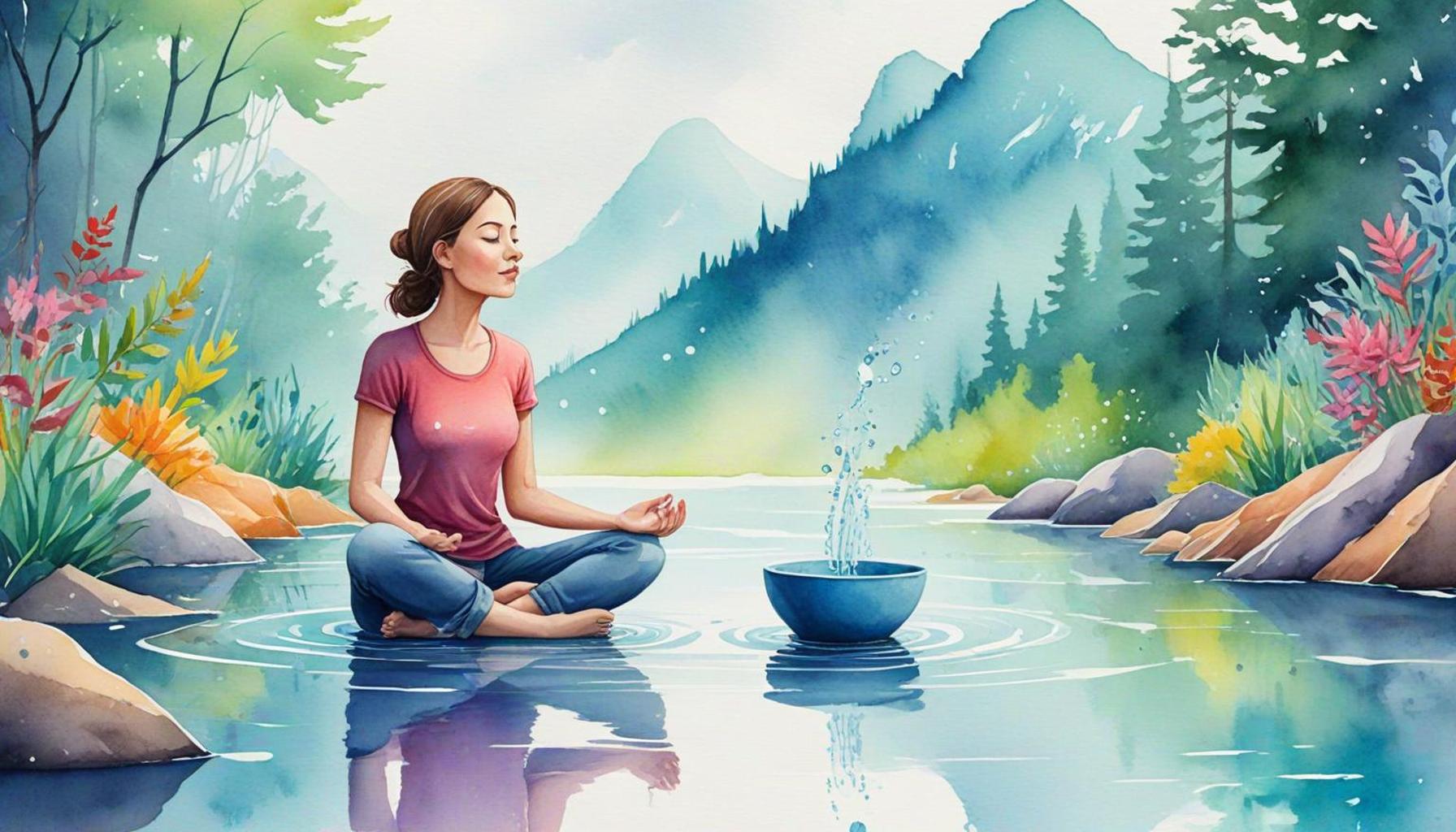
Engaging with water can also be as simple as incorporating a water fountain into your living space or setting up a bowl of water indoors. The act of watching the water flow can bring you into the present moment while reminding you of life’s continuous movement. Taking a moment to splash your hands in a bowl or even taking a refreshing dip can deepen your connection with your surroundings, allowing a natural sense of calm to envelop you.
The Power of Sound in Mindfulness
Just as the presence of water can promote peace, sound plays a pivotal role in grounding us and enhancing our mindfulness experience. In Nigeria, the rich cultural heritage thrives on music; sounds carry deep meanings and create powerful atmospheres. Integrating gentle music or sounds of nature into your mindfulness practice can refresh your spirit and transport you beyond the confines of daily responsibilities. Listening to the harmonious calls of birds or the rustle of leaves can create a soothing backdrop that facilitates relaxation.
Anúncios
Incorporating instruments like Tibetan singing bowls or chimes can also significantly deepen the meditative experience. These sounds not only help in achieving a state of relaxation but also resonate at frequencies that encourage healing and balance within the mind and body. Guided meditations focusing on soundscapes—such as the sounds of a flowing river or distant thunder—can lead you on a journey of serenity, helping to quiet the mind and reduce stress.
Connecting Mindfulness with Nature
The synergy of water and sound enriches our mindful practices, drawing us closer to the natural rhythm of the world around us. By exploring these different elements, individuals can uncover newfound depths of awareness and relaxation that may transform their approach to mindfulness. As you embark on this personal journey, consider allowing nature’s elements to guide your path, leading you to a life enriched with tranquility and inner peace. Engaging with your environment not only nurtures your well-being but also enhances your connection with the vibrant world around you.
Embracing Water as a Mindfulness Tool
The relationship between water and mindfulness is rich and multifaceted. Water not only quenches our thirst but also serves as a mirror reflecting our inner state. By embracing the element of water, individuals can foster a tranquil atmosphere conducive to mindfulness practices. To start utilizing water as a mindfulness tool, consider the following approaches:
- Mindful Observation: Find a serene water body, whether it’s a river, lake, or a small pond in your neighborhood. Sit quietly and observe the water’s surface, noting how the light dances upon it and how the ripples create a dynamic yet calming effect. This practice encourages you to remain present, enhancing your awareness of the moment.
- Water Rituals: Incorporate water rituals into your daily routine. This could be as simple as washing your hands mindfully, taking a shower with focus on the sensations of the water on your skin, or participating in traditional cleansing rituals. Engage your senses fully, taking time to notice each drop and how it feels, not only on your skin but within your state of mind.
- Hydration Meditation: The act of drinking water can serve as a meditation in itself. Fill a glass with fresh water, hold it in your hands, and express gratitude for its nourishment. As you sip, focus on the sensation of the water as it enters your mouth and glides down your throat, allowing thoughts to dissolve with each swallow. This practice connects you to the life-giving properties of water while calming your mind.
By integrating water into your mindfulness practice, you embrace a method that can cultivate a deeper sense of peace and present-moment awareness. Water encourages a gentle shift in your mental landscape, offering a reminder of the fluid nature of life itself.
Harnessing the Healing Power of Sound
Sound is an equally potent element in the mindfulness toolkit, as it has the power to alter our emotional states and foster deeper relaxation. In Nigeria, where traditional music and sounds from nature play an integral role in daily life, we can draw inspiration to incorporate sound into our mindfulness practices. Here are some effective sound-based techniques:
- Nature Sounds: Spend time outdoors, where the sounds of nature surround you. Listen attentively to the chirping of birds, the rustling of leaves, or the distant chimes of wind. These sounds serve as a natural backdrop that can help anchor your thoughts and reduce stress, creating an environment ripe for mindfulness.
- Guided Sound Meditation: Consider utilizing recordings of ambient sounds or guided meditations that incorporate soundscapes. Submerging yourself in the calming effects of ocean waves or gentle rain can transport your mind, evoking feelings of tranquility and safety.
- Musical Instruments: Use instruments such as drums, flutes, or even handheld shakers to introduce rhythm into your mindfulness practice. The act of playing these instruments can become a meditation in itself, allowing you to express emotions and engage in present-moment awareness through sound.
Sound, when paired with water, can create a multisensory mindfulness experience that calms the mind and soothes the spirit. By tapping into these natural elements, you begin to weave a rich tapestry of mindfulness practices that can lead to a more profound understanding of yourself and the world around you.
The Intersection of Water and Sound in Mindfulness Practice
When combining the elements of water and sound, practitioners can unlock a deeper level of mindfulness that harmonizes the senses, creating an immersive experience steeped in tranquility. This intersection not only enhances the practice but can also help individuals in Nigeria embrace their rich cultural heritage in a modern context. Here are some ways to create a fusion of these two powerful elements:
- Water and Sound Meditation Sessions: Organizing meditation sessions that integrate soothing water sounds, like a gentle stream or ocean waves, can significantly amplify the relaxation experience. Participants can bring traditional African instruments, such as the kalimba or the talking drum, to add a localized auditory layer to the meditation. This unique combination can promote self-expression while grounding the ensemble in familiarity and community.
- Breath Synchronization: As you practice mindfulness with water, incorporate sound through your breath. As you engage with water, whether you are bathing or simply splashing water over your hands, synchronize the rhythms of your breath with the sound it creates. Inhale deeply as the water rushes, hold your breath for a moment, and exhale slowly, replicating the sound of gentle waves lapping at the shore. This can foster an enhanced sense of bodily awareness and steadiness.
- Sound Bath with Water Sounds: In the comfort of your home, create a sound bath by playing recordings of water sounds combined with soft instrumental music. Use a bowl of water as a focal point, allowing the resonance of the sound waves to echo within the space. Close your eyes and focus on how the sound and water interact, creating a calming atmosphere that encourages deeper contemplation.
These techniques enable practitioners to explore a wide array of sensory experiences, tapping into both the auditory and tactile. In Nigeria, where communal experiences are cherished, organizing group sessions where participants can engage with water and sound offers an ideal opportunity to practice mindfulness collectively while reinforcing cultural ties.
Utilizing Cultural Elements in Mindfulness
Nigeria’s rich tapestry of cultural diversity presents a wealth of opportunities to incorporate local traditions into mindfulness practices through water and sound. Consider the following approaches:
- Traditional Songs and Chants: Integrate traditional Nigerian songs or chants by incorporating them into your mindfulness routines. The cadence and rhythm of these pieces can encapsulate the essence of the moment, leveraging nostalgia and cultural resonance to deepen mindfulness. Sing along softly while relaxing by a water source, allowing the sound to merge with the surrounding atmosphere.
- Cultural Festivals: Participate in local festivals where water ceremonies or sound rituals occur. These events often highlight the community’s connection to nature and history, making them invaluable experiences. Engage mindfully by observing rituals with an open heart, absorbing the sights and sounds around you.
- Storytelling as Sound: In many Nigerian communities, storytelling plays an essential role in passing knowledge and wisdom through generations. Modern mindfulness can embrace this tradition by encouraging storytelling sessions near water bodies. Sharing tales or personal reflections accompanied by the sound of flowing water can create a rich and meditative experience.
By harmonizing water and sound, individuals can develop a holistic mindfulness practice that aligns with both personal exploration and cultural appreciation, enhancing overall well-being while rooting the experience in the vibrancy of Nigerian traditions.
Embracing Mindfulness Through Nature’s Elements
Practicing mindfulness using the elements of water and sound offers a rich tapestry of experiences that cater to our senses, enabling deeper self-awareness and relaxation. By integrating elements of the natural world, such as the soothing sounds of water and the harmonizing tones of traditional Nigerian music, individuals can enhance their mindfulness journey while celebrating their heritage. The techniques discussed—such as water and sound meditation sessions, breath synchronization, and storytelling near water bodies—serve as accessible gateways to cultivating a tranquil mind.
Moreover, engaging in localized cultural traditions during mindfulness practices fosters a stronger connection with community, making the act of practicing mindfulness not just a solitary endeavor but a shared experience. Cultural festivals and communal gatherings can amplify this connection, reminding us of the importance of our collective identities in mindfulness. As practitioners dive into these elements, they may find their experiences enriched, revealing layers of understanding about themselves and their place within the broader landscape of Nigerian culture.
As you embark on your mindfulness journey with water and sound, remember that it is a personal exploration. Take the time to reflect on how these practices resonate with your own life and culture. By harmonizing these elements, you can nurture a holistic approach to mindfulness that not only promotes personal well-being but also celebrates the vibrant diversity of Nigeria’s cultural heritage. Let the journey unfold, one ripple and sound at a time.