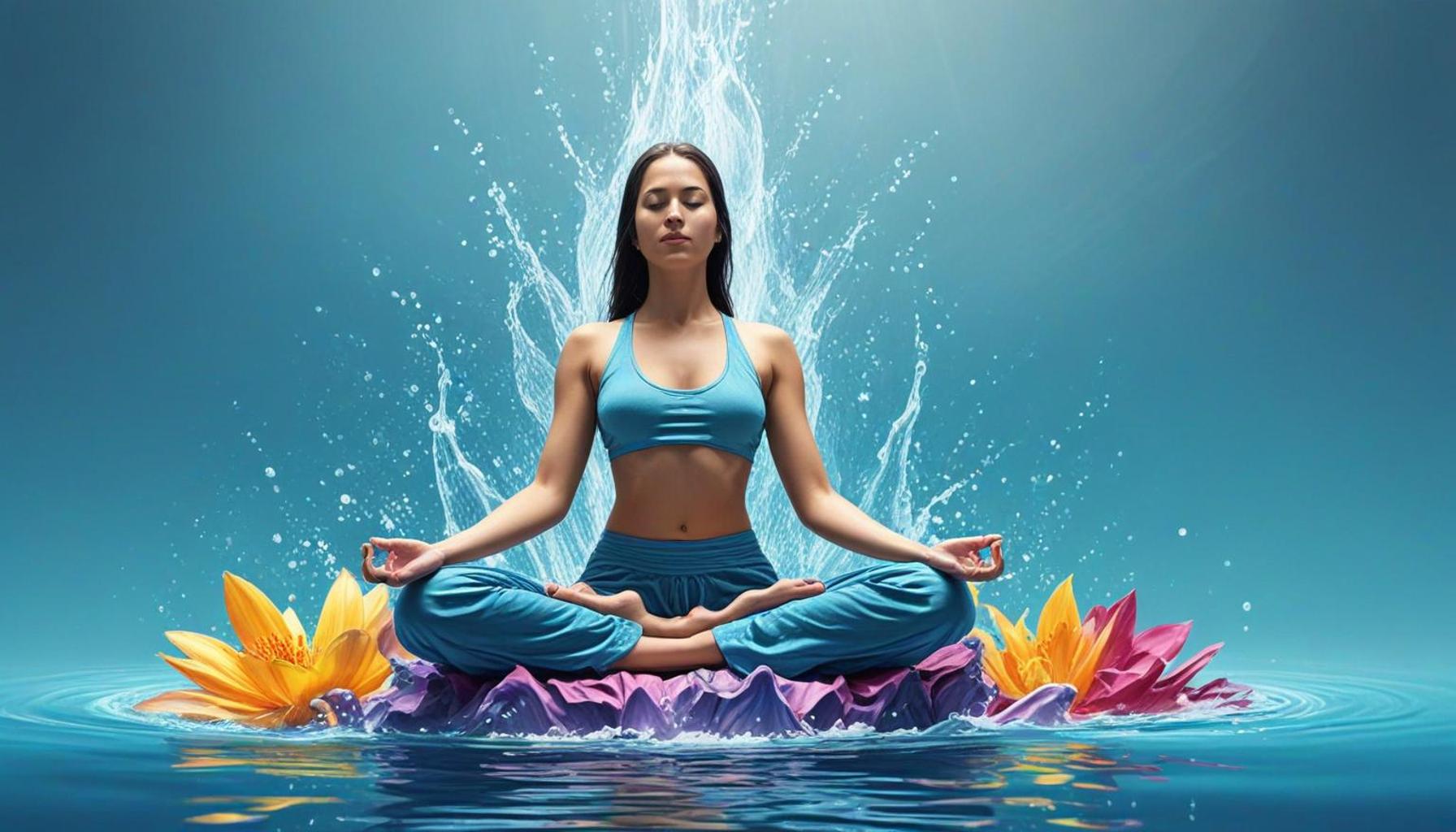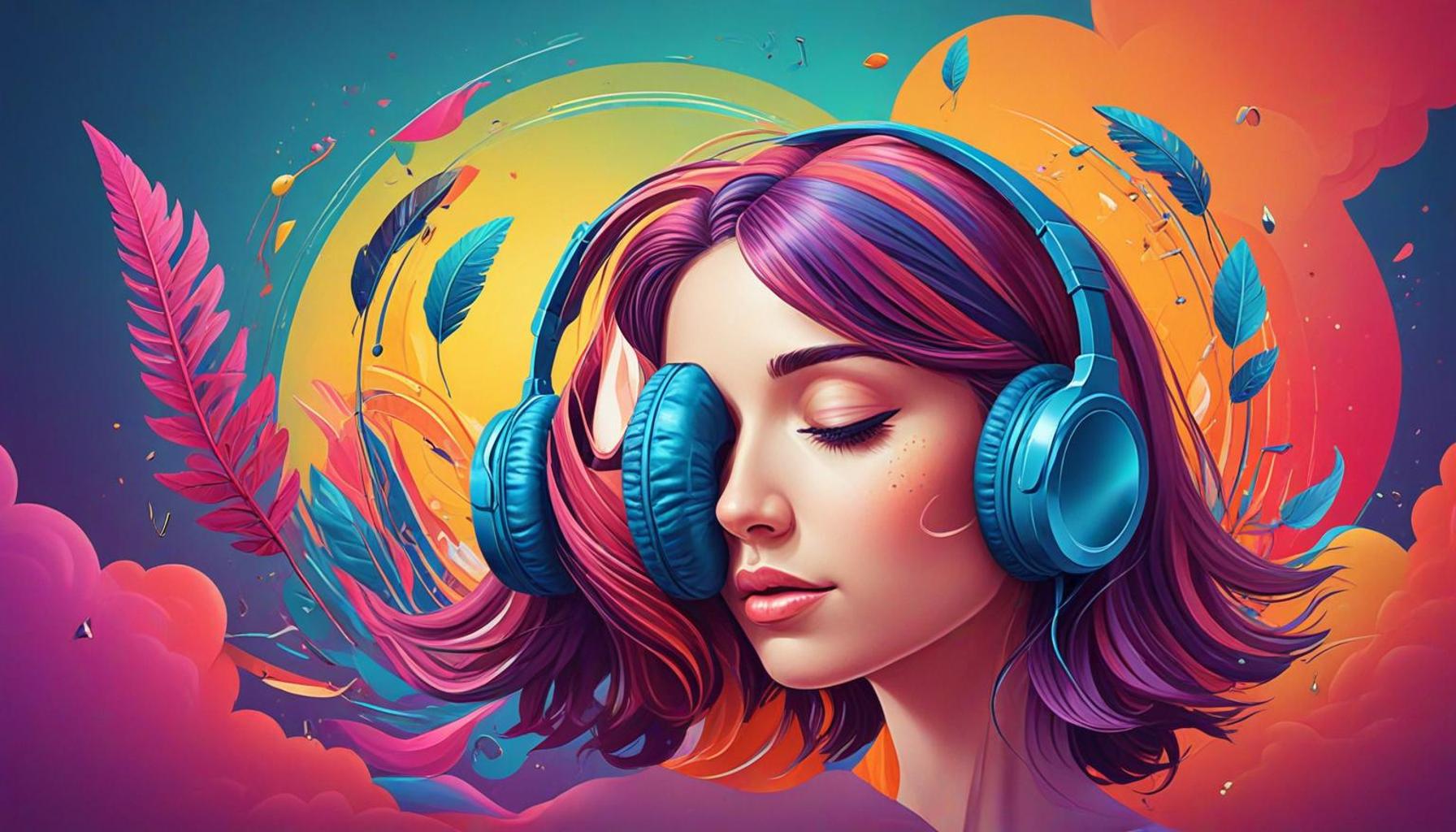
Active meditation with body movement and relaxing sounds
Anúncios
Understanding Active Meditation
In today’s fast-paced world, where the demands of everyday life often push our physical and mental boundaries, finding peaceful moments can be particularly challenging. Active meditation emerges as a transformative practice, marrying movement and sound to foster a deep state of mindfulness. Unlike traditional seated meditation, this approach invites individuals to engage their physical selves, creating a holistic experience that resonates with body, mind, and spirit.
Active meditation is a practice that can be embraced by anyone, regardless of age or level of experience. It goes beyond mere relaxation; it enhances vitality and well-being through methods that draw on both ancient traditions and modern psychological insights. This multifaceted approach emphasizes:
Anúncios
- Physical Movement: Participants engage in gentle exercises or dance that encourage fluidity and expression. This could range from simple stretching and yoga poses to traditional African dance forms, which not only stimulate the body but also connect individuals to their cultural heritage.
- Relaxing Sounds: By incorporating nature sounds such as flowing water, birdsong, or the distant echoes of drums, active meditation creates an auditory backdrop that soothes and invigorates. The rhythmic beats of local music can also enhance the experience and encourage deeper meditation.
- Mindful Awareness: This practice fosters a greater connection with oneself, promoting mental clarity. Through mindful movement and sound, individuals learn to remain present, reflecting on their thoughts and feelings without judgment.
In Nigeria, the rich cultural landscape offers a plethora of opportunities for active meditation. For instance, traditional dances performed during festivals often embody both rhythm and expression, serving as a powerful tool for personal reflection and community connection. Engaging in these dances not only provides physical exercise but also invites individuals to experience a collective state of mindfulness, as they synchronize with the pulse of the music and the energy of their surroundings. Moreover, serene natural spaces, such as the lush landscapes of Obudu or the tranquil waters of Lekki, can also serve as perfect settings for active meditation, allowing individuals to immerse themselves fully in their environment.
As you begin your journey into active meditation, consider setting aside dedicated time each day to experience its benefits. Whether through joining a local dance class, listening to calming music, or simply taking a mindful walk in nature, this practice can significantly enhance your mental clarity, emotional equilibrium, and physical health. Join us in exploring how active meditation can weave its way into your daily life, offering not just peace of mind but also a vibrant path to self-discovery.
Anúncios
Exploring the Elements of Active Meditation
Active meditation is a unique synthesis of movement and sound, creating an engaging experience that not only grounds individuals but also enriches their emotional and spiritual well-being. Among the various forms of active meditation, the two primary elements—body movement and relaxing sounds—stand out as pivotal to its effectiveness. Each element plays a crucial role in facilitating a deeper connection to oneself and the surrounding environment.
The Power of Body Movement
The incorporation of physical activity in meditation serves multiple purposes. First and foremost, body movement acts as a conduit for expressing emotions that might otherwise remain bottled up. Activities such as dancing, yoga, or tai chi not only promote physical health but also allow individuals to navigate their internal landscapes. In Nigeria, for instance, traditional dances are often performed during community gatherings, connecting participants with their cultural roots while fostering a sense of belonging. These dances can also be adapted for personal practice, making movement more accessible and inclusive.
Moreover, when engaging in active meditation, participants can explore various forms of body movement tailored to their preferences. Here are some popular options to consider:
- Yoga: Incorporates a series of postures and breath control techniques designed to enhance flexibility, strength, and focus.
- Dance: From traditional African dance to contemporary forms, movement allows for free expression and liberates the spirit.
- Walking Meditations: Taking a slow, mindful walk not only connects individuals with nature but also encourages a deeper awareness of their surroundings.
- Fitness or Movement Therapy: Engaging in exercises that cater to individual fitness levels can revitalize the body while reducing stress tension.
The Role of Relaxing Sounds
Accompanying movement with soothing sounds is essential in guiding participants into a meditative state. Relaxing sounds serve as an auditory anchor, allowing the mind to settle while the body remains active. Nature sounds, like the gentle rustling of leaves, the soothing rush of water over rocks, or the melodious chirping of birds, create an immersive experience that can transport individuals beyond the confines of their thoughts.
Incorporating local musical elements can also significantly enrich the active meditation experience. For example, the rhythms of the djembe or the sounds of traditional Nigerian folk songs can elevate the practice, creating a distinctly personal connection. By inviting these cultural sounds into meditation, individuals not only embrace their heritage but also tap into a wellspring of shared energy that enhances group dynamics during community gatherings.
Listening to guided meditations with soft instrumental music can provide a structured path for those new to active meditation, helping to cultivate focus and presence. The beauty of this practice lies in its flexibility—participants are free to choose the movement and sounds that resonate most deeply with them.
By exploring both body movement and relaxing sounds, individuals can unlock the potential of active meditation, leading to enhanced mental clarity, improved emotional balance, and ultimately, a more enriched life experience.
Enhancing Mental and Emotional Wellness Through Active Meditation
Active meditation, while rooted in ancient practices, has gained momentum in contemporary wellness discussions due to its multifaceted benefits. By merging body movement with relaxing sounds, this meditative approach molds a holistic pathway to enhance mental and emotional wellness. Engaging with one’s body and the ambient environment creates not only a physical experience but a profound psychological transformation that fosters personal growth.
Emotional Release and Connection
One of the most significant aspects of active meditation is its capacity for emotional release. Many participants describe a cathartic experience where unfiltered emotions arise as they move. In Nigerian culture, expressive movement has long been a method for storytelling and emotional exploration. For instance, traditional dramas often incorporate energetic movements and vibrant sounds to narrate life experiences. This cultural practice exemplifies how embodying emotions through movement, coupled with soothing or traditional sounds, can lead to profound emotional healing and connections to communal narratives.
Active meditation serves as an excellent platform for individuals facing daily stressors. In cities like Lagos, where urban hustle can feel overwhelming, daily routines may lead to emotional stagnation. However, engaging in a practice that encourages movement can facilitate the release of pent-up emotions and promote a sense of liberation. Many people find that after a session, they experience greater clarity, calmness, and readiness to tackle the challenges in their lives.
Nurturing Mindfulness and Presence
Additionally, the synergy of body movement and relaxing sounds cultivates a heightened state of mindfulness. As participants flow through different movements, they become increasingly aware of their bodily sensations and surroundings. Mindfulness is often described as being fully present, and this practice elucidates that idea by rooting individuals in the moment. The rhythmic nature of sounds—be it traditional instruments or ambient music—can help anchor the mind, reducing distractions and drawing attention to the now.
In Nigeria, mindfulness practices have seen an emergence in workshops and wellness centers that often blend local music with movement routines. These spaces offer a sanctuary from the stresses of modern life, actively teaching participants how to embrace mindfulness while performing culturally resonant dances or yoga sequences. Activities combined with the soothing sounds of nature enhance the experience, allowing participants to feel an intrinsic connection with their environment.
Community Benefits and Social Connection
Moreover, group active meditation sessions present an opportunity for social connection, reinforcing community bonds. Engaging with others in meditative practices offers individuals a sense of belonging, moving in unison while enveloped in soothing sounds strengthens interpersonal relationships. Shared experiences can also lay the groundwork for mutual support, creating a safe space where emotions are validated and embraced. Community workshops often feature local musicians who play traditional tunes alongside energetic sessions, creating a vibrant atmosphere of collective healing.
Research indicates that communal activities lead to enhanced feelings of belonging, which in turn, improve overall mental health outcomes. With numerous local centers across Nigeria beginning to introduce active meditation workshops, this growing trend underscores a shift towards greater community engagement and mental wellness.
In essence, the interplay of body movement and relaxing sounds in active meditation provides pathways for emotional expression, cultivated mindfulness, and communal connectedness. As individuals explore these practices, they become empowered to not only confront their inner worlds but also contribute positively to the collective spirit of their communities.
Concluding Thoughts on Active Meditation
In the fast-paced world, especially in bustling communities like Lagos, the importance of active meditation cannot be overstated. This innovative approach, which fuses body movement with relaxing sounds, emerges as a compelling tool for enhancing mental well-being and emotional resilience. By embracing not just the physical aspects of meditation but also the auditory elements, practitioners are afforded a unique opportunity to unlock deeper self-awareness and emotional freedom.
The transformative potential of active meditation goes beyond the individual, fostering a sense of community through shared experiences. Engaging in group sessions allows participants to connect socially, breaking down barriers and nurturing support networks that are essential for emotional healing. Furthermore, localized workshops that integrate traditional African music and contemporary techniques enrich the practice, ensuring it resonates profoundly with cultural identities.
This dynamic form of meditation serves a dual purpose: it cultivates mindfulness while offering a means for emotional expression, which is particularly relevant for those navigating the complexities of urban life. As more wellness centers across Nigeria embrace this approach, it symbolizes a broader shift towards holistic health practices that prioritize mental well-being.
Ultimately, the journey into active meditation is an invitation to explore the interplay between movement, sound, and self. Whether one is seeking clarity, emotional release, or a sense of belonging, diving into this practice can lead to transformative experiences that extend beyond the mat. As we continue to explore and embrace these methods, we not only enhance our individual lives but also contribute to the fabric of community wellness, paving the way for a more connected and mindful society.