
How to practice relaxing shower meditation for stress relief
Anúncios
Introduction to Shower Meditation and Its Benefits
In today’s fast-paced world, stress and anxiety have almost become constant companions for many. Urban lifestyles often see individuals juggling multiple responsibilities with little time for rest or mental rejuvenation. Among the various techniques to combat these pressures, shower meditation stands out due to its simplicity and efficacy. It’s an easily accessible form of meditation that can seamlessly integrate into daily routines, promising a sanctuary of peace in the mundane act of showering.
Shower meditation is a practice that transforms the ordinary act of showering into a mindful and calming experience. By focusing on the sensations and rhythms of water against the skin, individuals can achieve a meditative state that helps clear the mind, reduce stress, and promote overall well-being. The dual sensory stimulation of water and mindfulness offers a unique opportunity to disconnect from external pressures and reconnect with oneself. As we delve deeper, we will explore how shower meditation benefits mental health and provides a step-by-step guide to incorporating it into your daily routine.
Anúncios
How Shower Meditation Helps Reduce Stress and Anxiety
The therapeutic nature of shower meditation lies in its ability to engage both the body’s senses and the mind’s focus. By concentrating on the tactile experience of water flowing and harmonizing it with mindful breathing, it becomes easier to detach from stress-causing thoughts and enter a state of relaxation. The sensation of water, whether warm or cool, can have a profound calming effect on the nervous system, helping to reduce the physical symptoms of stress and anxiety.
Research indicates that mindful activities, like shower meditation, invoke the relaxation response, which decreases stress hormone levels and reduces muscle tension. When you practice shower meditation, you are essentially engaging in a form of focused attention meditation. This type of meditation is particularly effective in reducing rumination—a common behavior in stressful situations that exacerbates anxiety and depression.
Anúncios
Moreover, the privacy and solitude of a shower setting offer a perfect environment for meditation. Away from distractions and interruptions, you can fully immerse yourself in the moment, fostering a deeper connection with your inner self. This sanctuary-like experience in your own home facilitates emotional balance, enhances mood, and promotes a sense of peace that transcends into daily life.
Step-by-Step Guide to Practicing Shower Meditation
Practicing shower meditation does not require any special equipment or training. Below is a simple step-by-step guide to get you started with shower meditation:
-
Preparation: Begin by setting the right temperature for your shower. Warm water often works best for relaxation but adjust to whatever feels most comfortable for you.
-
Breathing: Start with deep breathing exercises. Take a slow, deep breath in through your nose, allowing your abdomen to expand, then exhale gently through your mouth. Repeat this several times to center yourself.
-
Mindful Focus: Direct your attention to the sound and feel of the water as it lands on your body. Observe the temperature, the sensations as water runs from head to toe, and the sound it makes as it hits the floor.
-
Visualization: Imagine the water washing away stress and tension. Picture any negativity or anxiety being dissolved and carried away by the water.
-
Conclusion: End your meditation with a positive affirmation or intention for the day. Acknowledge the sense of calm you’ve cultivated and carry it with you as you step out of the shower.
A simple session can last anywhere from 5 to 20 minutes depending on the time you have available. Consistency is key; the more regularly you practice, the more significant the benefits will be.
Incorporating Mindfulness Techniques During Your Shower
Mindfulness is at the heart of shower meditation, offering a meditative focus that enhances each moment spent under the water. Here are a few ways you can incorporate mindfulness into your shower meditation routine:
-
Body Scan: Conduct a mindful body scan by progressing your focus through different parts of your body. This technique helps bring awareness to bodily sensations, identifying areas where you may be holding tension.
-
Anchoring on the Breath: Use the breath as an anchor to return to when the mind begins to wander. Focusing on rhythmic breathing helps maintain a state of mindfulness despite distractions.
-
Sensory Awareness: Pay detailed attention to all five senses. Each drop of water, its sound, temperature, and fragrance offers an opportunity to notice minute details and stay present.
Mindful showering allows you to create space within the mind—pausing the constant cycle of thoughts and indulging in the purity of each moment. It is not only about cleansing the body but also about nurturing the mind.
Best Times and Settings for Effective Shower Meditation
Timing and setting play crucial roles in enhancing the effectiveness of shower meditation. Early mornings or late evenings are particularly beneficial times for this practice. An invigorating morning shower meditation prepares the mind for the day’s challenges, fostering clarity and focus. Similarly, an evening shower meditation helps unwind accumulated stress and prepares the body for restful sleep.
Ideal settings for effective shower meditation include:
-
Dim Lighting: Low lighting conditions can enhance the sensory experience, creating a tranquil ambiance conducive to relaxation.
-
Quiet Environment: Ensure that your shower space is as quiet and free from interruptions as possible to maintain concentration.
-
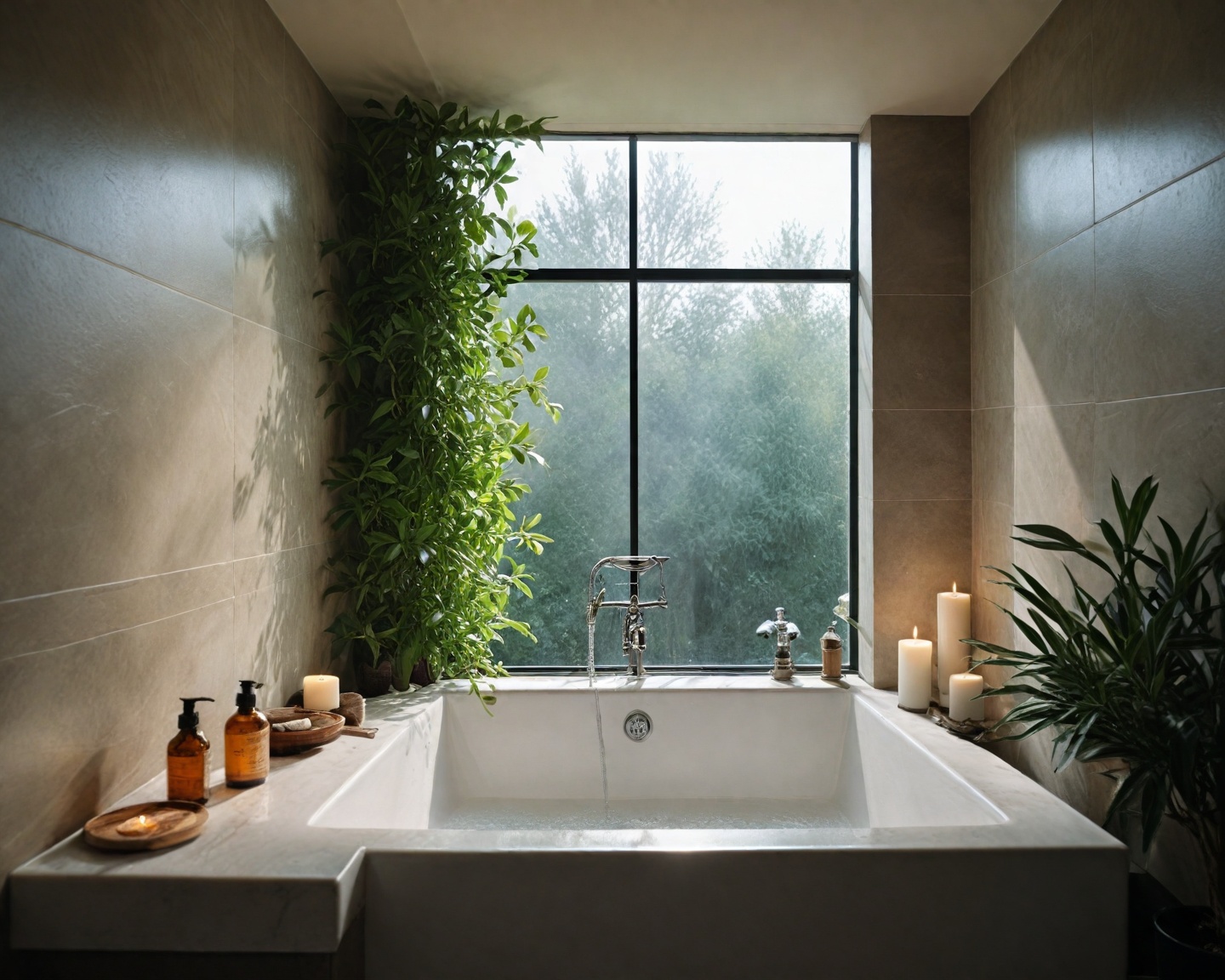
Comfortable Space: Personalize your space to fit your preferences; additives like plants, calming colors, and minimalistic shower accessories can contribute to a calming environment.
Setting the right conditions is pivotal in fostering a successful meditation experience that seamlessly integrates into your routine, thereby enriching well-being.
Common Challenges and How to Overcome Them
As with many practices, the road to mastering shower meditation may present some challenges. Here are some common obstacles and ways to overcome them:
-
Distracting Thoughts: It’s common for thoughts to drift during meditation. Practice gentle redirection by returning to the sensory experiences of the water without judgment.
-
Time Constraints: Busy schedules can make it difficult to allocate time every day. Start with shorter sessions, even 5 minutes, and gradually increase as it becomes a habit.
-
Restlessness: Physical immobility can lead to restlessness, especially if you’re new to meditation. Incorporate gentle movements like slow neck rolls or shoulder stretches to maintain flow.
By recognizing these challenges and preparing strategies to counter them, you can cultivate resilience and enhance the meditation experience. Patience and persistence are vital allies on this journey.
How to Create a Calming Shower Environment
A serene shower environment is imperative for an enriching meditation experience. Consider these aspects to create an inviting space:
-
Aromatherapy: Use essential oils or scented candles with relaxing fragrances like lavender or eucalyptus to stimulate the olfactory senses.
-
Music and Sounds: Incorporate gentle music or nature sounds in the background. Ensure that they’re at a volume that complements rather than dominates your practice.
-
Organized Space: Minimize clutter for a soothing atmosphere. A neat and organized environment fosters relaxation rather than contributing to stress.
-
Water Pressure: Adjust the water pressure to a level that feels therapeutic. This contributes to a gentle and soothing massage effect that enhances relaxation.
These elements work together to craft a space that’s both physically comfortable and mentally calming, thereby supporting an immersive and effective shower meditation session.
The Role of Aromatherapy in Enhancing Shower Meditation
Aromatherapy can significantly intensify the shower meditation experience. Essential oils like lavender, peppermint, and chamomile have long been revered for their calming properties. When used during shower meditation, they can help deepen relaxation and enhance the meditative state.
-
Lavender: Known for its soothing properties, lavender can reduce anxiety and promote a sense of calm.
-
Eucalyptus: Offers a refreshing aroma that can clear the mind and invigorate the senses, making it ideal for morning meditations.
-
Peppermint: Enhances alertness and mental clarity, effective for combating mental fatigue.
Incorporating aromatherapy can be as simple as adding a few drops of oil directly to the shower walls or using diffusers that release fragrance into the steam. This not only augments the sensory experience but also contributes to the holistic benefits of shower meditation.
Tips for Making Shower Meditation a Daily Habit
Establishing shower meditation as a regular habit demands intention and consistency. Here are some tips to help make shower meditation a fixture of your daily routine:
-
Scheduled Time: Choose a consistent time each day that aligns with your schedule, making it part of your routine like brushing your teeth.
-
Set Intentions: Begin each session with a clear intention—what you hope to achieve or let go of. This serves as motivation and enhances the practice’s significance.
-
Progressive Commitment: Start small, with a few minutes each day, and gradually increase the duration as you become more comfortable with the practice.
-
Track Progress: Keep a journal of your experiences and any changes in your stress levels, sleep quality, or mood. This not only provides motivation but also helps refine your practice.
Developing the habit of shower meditation not only promotes stress relief but also enriches the quality of daily life by fostering mindfulness and resilience.
Next Steps: Exploring Other Mindfulness Practices for Relaxation
Once you’ve integrated shower meditation into your routine, you may naturally want to explore other mindfulness techniques to further enhance relaxation:
-
Seated Meditation: This traditional form of meditation complements shower meditation by providing extended, focused practice that deepens mindfulness.
-
Yoga and Tai Chi: These practices combine physical movement with mindful focus and are excellent for boosting physical and mental well-being.
-
Mindful Walking: Incorporate mindfulness into your daily activities by practicing being present during walks, paying attention to movements, breathing, and surroundings.
These practices offer diverse methods to cultivate mindfulness and can be combined to create a balanced regimen that supports overall wellness. They expand your repertoire of relaxation techniques, equipping you with varied tools for stress reduction and self-care.
Frequently Asked Questions
What is shower meditation?
Shower meditation is a practice that involves focusing on the sensory experience of showering—such as the feel of water, sound, and temperature—to achieve a meditative state that reduces stress and promotes relaxation.
How long should a shower meditation session last?
While sessions can vary, starting from as little as 5 minutes and moving up to 20 minutes is effective. The duration depends on your schedule and comfort level.
Do I need any special equipment for shower meditation?
No special equipment is necessary. All you need is a shower with adjustable water flow, and optionally, you can enhance the experience using aromatherapy with essential oils.
Can I practice shower meditation with cold water?
Yes, cold water can still be effective for shower meditation. It is stimulating rather than relaxing but can be very refreshing and helps enhance focus, especially in the morning.
How often should I practice shower meditation for it to be beneficial?
Daily practice is ideal for maximum benefits, but even a few times a week can significantly help in reducing stress and promoting mental clarity.
What if I get distracted during shower meditation?
It’s natural for your mind to wander. Gently redirect your focus back to the sensory experience of the water and your breathing without criticism or judgment.
Can shower meditation help with insomnia?
Yes, practicing shower meditation in the evening can help calm the mind and body, promoting relaxation and improved sleep quality.
Are there any contraindications for practicing shower meditation?
Shower meditation is generally safe for everyone. However, if you have any specific health concerns such as skin allergies to water temperature or specific aromas, it might be best to consult a healthcare professional.
Recap
In conclusion, shower meditation is a valuable practice that transforms a daily activity into a powerful tool for stress relief and mindfulness. By incorporating attention to sensory details and breathing techniques, individuals can harness the calming effects of water to alleviate stress and promote a deep sense of relaxation. This practice is flexible, with the potential to adapt to different preferences such as time, duration, and environment, making it accessible to anyone.
Emphasizing mindfulness, setting a conducive environment, incorporating aromatherapy, and addressing common challenges ensure that shower meditation becomes a rewarding and sustainable habit. Additionally, exploring other mindfulness practices like yoga or seated meditation can complement shower meditation and broaden the benefits of relaxation and mental wellness.
Conclusion
The journey to integrating shower meditation into your life is a personal and enriching experience that goes beyond mere stress relief. It is a commitment to nurturing your mental, emotional, and physical health through intentional, mindful practices. In a world rife with distractions and demands, this simple yet profound practice offers a retreat into a sanctuary of one’s own making.
With regular practice, you will likely notice not only a reduction in stress and anxiety but also an improvement in your overall quality of life. The mental clarity and peace achieved through shower meditation can carry into other aspects of daily life, influencing decisions, enhancing interactions, and fostering a positive outlook.
Ultimately, shower meditation is more than a habit—it’s a lifestyle choice that empowers you to take control of your mental health and well-being. Whether you are seeking a moment of peace in a hectic day or a transformative path towards greater mindfulness, shower meditation provides a refreshing opportunity to connect with yourself at a deeper level.
References
-
Kabat-Zinn, J. (1990). Full Catastrophe Living: Using the Wisdom of Your Body and Mind to Face Stress, Pain, and Illness. Delta.
-
Nhat Hanh, T. (1975). The Miracle of Mindfulness: An Introduction to the Practice of Meditation. Beacon Press.
-
Chiesa, A., & Serretti, A. (2009). “Mindfulness-based stress reduction for stress management in healthy people: A review and meta-analysis”. Journal of Alternative and Complementary Medicine, 15(5), 593-600.