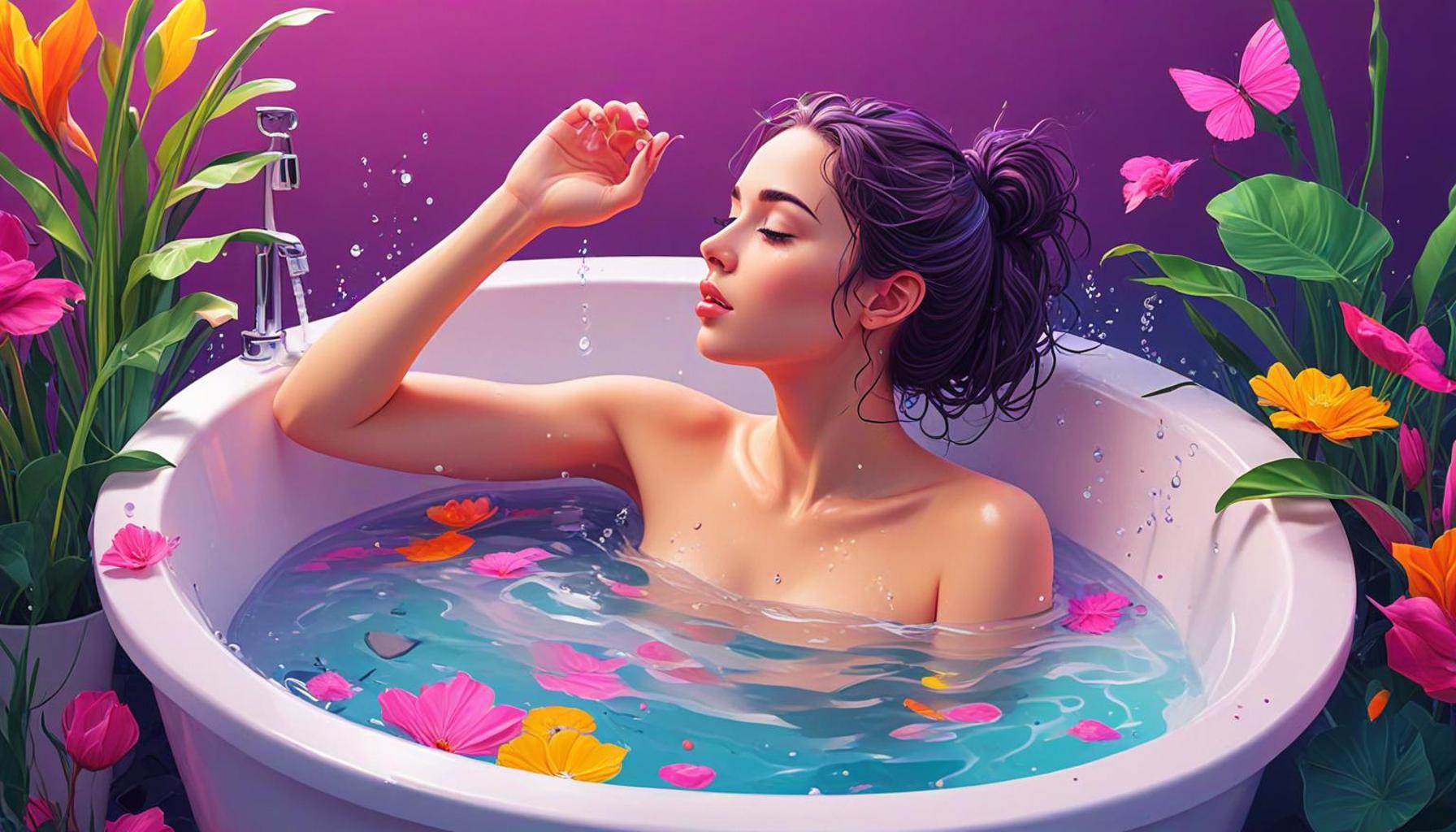
Bathing with Intention: How to Align Mind and Body While Cleaning
Anúncios
The Power of Mindful Bathing
In the hustle and bustle of modern life, daily rituals often lose their significance, and bathing can become no more than a task to tick off your to-do list. However, what if you could shift this perspective and immerse yourself into a world where bathing transcends its basic purpose? By practicing mindful bathing, you can craft a soulful experience that caters not only to your physical hygiene but also to your emotional and mental well-being.
Engaging in this practice opens up a treasure trove of benefits, which can deeply affect your life on multiple levels. Firstly, consider stress reduction; a deliberate focus during your bathing routine may significantly lower cortisol levels—this is the hormone often associated with stress. Simply taking the time to breathe deeply and enjoy the soothing warmth of water can make a vast difference. For instance, imagine a hectic day at work followed by a calming bath infused with calming scents like lavender and eucalyptus. As the stress of the day washes away, your mind begins to find peace.
Anúncios
In addition, mindfulness emerges naturally when you focus on the sensations you encounter. This includes feeling the water’s temperature on your skin, the scent of bath products, and even the sounds around you. Such sensory engagement fosters a sense of presence that can be rare in our daily lives often filled with distractions from screens and obligations. By setting aside this focused time, you allow yourself to connect with the here and now, creating a mental buffer against the chaos outside.
Furthermore, the physical comfort provided by warm water cannot be underestimated. It serves as a therapeutic method to relieve muscle tension, soothe aches, and promote blood circulation. In Nigeria, where the climate can range from hot to humid, a warm bath might just be the perfect remedy after a long day in the sun. The combination of relaxation and physical relief can enhance your mood and overall sense of wellness.
Anúncios
In various cultural contexts, including Nigeria, bathing is not solely about physical cleanliness. Traditional practices often view bathing as a means of spiritual renewal and purification. By incorporating local elements—such as traditional herbal infusions or the use of natural clay—your bathing practice can resonate with personal and cultural meanings. For example, the scent of nim tree leaves or a mix of ground kola nut can evoke deep connections to one’s heritage, allowing for an enriched experience that goes beyond skin-deep.
As you explore these practices further, you may discover techniques that resonate with your lifestyle, encouraging a deeper understanding of wellness. You could set a weekly self-care schedule, try different essential oil blends, or create a playlist filled with sounds that bring you peace. Ultimately, by investing time and intention into this daily ritual, you stand to gain insights that can lead to profound benefits—highlighting that each bath has the potential to be a sanctuary for the mind and body.
Embrace the art of mindful bathing, and embark on a journey towards greater wellness, where every wash becomes a celebration of the self, fostering a healing touch for both body and spirit.
Creating a Sacred Space
To truly embrace the concept of mindful bathing, it is essential to create a sacred space conducive to relaxation and reflection. The environment in which you bathe plays a pivotal role in determining the overall experience. By taking the time to curate this atmosphere, you can enhance the connection between your mind and body, making your bathing ritual a transformative experience.
Begin by decluttering the area around your bath. A clean, organized space can help minimize distractions and promote a sense of calm. Consider adding elements that resonate with you personally, creating a unique personal oasis. Here are some components to consider when crafting your bathing environment:
- Lighting: Soft, ambient lighting can set the mood and create a serene atmosphere. Consider using candles or dimmable LED lights to tone down harsh, bright lighting that can disrupt relaxation.
- Aromatherapy: Incorporating your favorite essential oils, such as lavender for relaxation or citrus for invigoration, can elevate your bathing experience significantly. Use diffusers or add a few drops to your bathwater for a soothing scent.
- Nature Elements: Integrating natural elements like plants or stones can ground you in the moment. In Nigeria, where vibrant flora abounds, consider using local leaves or flowers to enhance your space.
- Music or Sound: Playing gentle music or nature sounds can provide a soothing backdrop to your time in the bath. Consider crafting a playlist that reflects your mood and encourages tranquility.
Once your space is thoughtfully arranged, it is crucial to take a moment to set an intention before stepping into the water. This intention acts like a guiding thread throughout your bathing experience. Reflect on what you want to achieve during this time—be it relaxation, mental clarity, or emotional healing. Carving out mental space to acknowledge and articulate your intention can brandish very rewarding results, fostering a sense of purpose and connection.
As you lower yourself into the warm water, allow the sensation of the liquid embracing your body to signal the beginning of your mindfulness journey. Focus on how the water envelops you, reducing tension in your muscles, and providing solace to your thoughts. This act of tuning into your physical sensations can greatly amplify your sense of presence and heighten your awareness of both body and mind. It serves as a powerful reminder to let go of the past and suspend any worries about the future.
Moreover, consider the cultural significance of bathing in Nigeria, where the act often transcends mere physical cleanliness. Traditional Nigerian bathing practices frequently symbolize purification and rejuvenation. Drawing from these practices can enrich your mindfulness experience. For instance, taking a herbal bath using a blend of local plants not only connects you to the cultural roots but also enhances the sensory experience.
By investing time and intention into your bathing ritual and creating an inviting space, you carve a sanctuary that nourishes both your body and soul. This mindful practice fosters an enriched daily experience, turning something as simple as bathing into a profound and healing journey.
The Ritual of Bathing: Mindful Practices
As the warm water wraps around you, it serves not just as a cleanser, but also as a catalyst for personal reflection and emotional release. This is where the ritual of mindful bathing comes into play. Engaging in specific practices while bathing can deepen your connection to your inner self, allowing you to realign your thoughts and feelings in a meaningful way.
Breathwork is one of the simplest yet most effective mindful bathing practices. The practice of focusing on your breath serves as an anchor, keeping you present and aware in the moment. As you soak, take deep, slow breaths—inhaling deeply through your nose and exhaling slowly through your mouth. This rhythmic pattern can help calm the mind, dissolve stress, and create a sense of tranquility. In Nigerian culture, breathwork can resonate with traditional practices like meditative prayer, which emphasize the power of breath as a means to connect with spiritual realms.
Another enriching practice is affirmation. As you lie in the water, take a moment to recite affirmations that resonate with your intentions. Phrases like “I am at peace” or “I welcome healing” can be powerful. This method not only promotes self-love and positive thinking but ties your thoughts to the liberating nature of water. In a country where communal and family ties are treasured, using affirmations can also serve as a reminder of your hopes and aspirations for yourself and loved ones.
Visualization techniques can also amplify your bathing experience. Close your eyes and imagine the water washing away not just physical dirt, but emotional burdens as well. Visualize stressors as dark stains being lifted off you, leaving your body and mind rejuvenated. This practice parallels the traditional Nigerian belief in spiritual cleansing, where water symbolizes renewal and the shedding of negativity. Consider reflecting on the rivers and lakes revered by many cultures in Nigeria, where water has long represented a source of life and rejuvenation.
Additionally, the incorporation of herbal remedies can heighten your bathing experience. Many local plants, such as neem or moringa, are known for their healing properties and can be brewed into infusions that enhance both physical and mental well-being. Adding these herbal concoctions to your bath can create a holistic nature retreat within the comfort of your home, connecting you to your roots while elevating the sensory experience.
Practical aspects matter too. Being mindful of water temperature can significantly influence your mental space during the bathing ritual. A comfortable temperature can help you relax better, though cultural preferences tend to vary. In Nigeria, for example, the preference might skew towards using cooler water during the hot season, fostering both physical relief and mental clarity.
By integrating these practices into your bathing routine, you’re not just cleaning your body; you’re also embarking on a holistic journey that nourishes both mind and spirit. With each soak, you’re reminded that bathing transcends mere hygiene—it’s an opportunity to engage deeply, reflecting on who you are and who you aspire to be. So, as you step into the water, remember: it’s more than a ritual; it’s a sacred dialogue with your inner self.
Embracing the Transformative Power of Intention
Bathing with intention is more than a mere routine; it is a profound practice that nurtures both the mind and body, leading to a holistic sense of well-being. As you’ve explored the various mindful techniques—such as breathwork, affirmations, visualization, and the incorporation of herbal remedies—it becomes clear that each ritual has the potential to elevate your bathing experience into a sacred act of self-care.
By recognizing bathing as a moment for reflection and reconnection with oneself, you can dissolve the stresses of daily life. In a society where communal ties are paramount, using affirmations can not only foster self-love but also resonate with aspirations for collective well-being, drawing strength from both personal and familial bonds. Integrating local plants with healing properties mirrors Africa’s rich heritage, reinforcing connections to the land and its natural gifts.
The cultural nuances of water, particularly within Nigerian communities, emphasize the belief that water is a source of life, purification, and renewal. Allow your bath to be a ritual that celebrates this heritage while inviting modern practices that promote mindfulness. As you sink into the comfort of warm water, remember that this act is an invitation to honor your body, reflect on your soul, and cultivate a peaceful state of mind.
Ultimately, each bath serves as an opportunity for rejuvenation—not just of the body, but of the spirit. Embrace intentional bathing as a powerful ritual that transcends traditional hygiene, paving the way for a life lived with purpose and clarity. So the next time you prepare to bathe, consider it a moment to align not just with water, but with your true self.