How to Use African Drums in Sound Meditation
Anúncios
The Healing Power of Sound Meditation
In today’s fast-paced world, finding peace and tranquility has become an essential pursuit for many individuals. Sound meditation has emerged as a powerful tool that helps people reconnect with their inner selves, enhancing mental clarity and emotional balance. One of the most captivating and effective ways to achieve this is through the use of African drums.
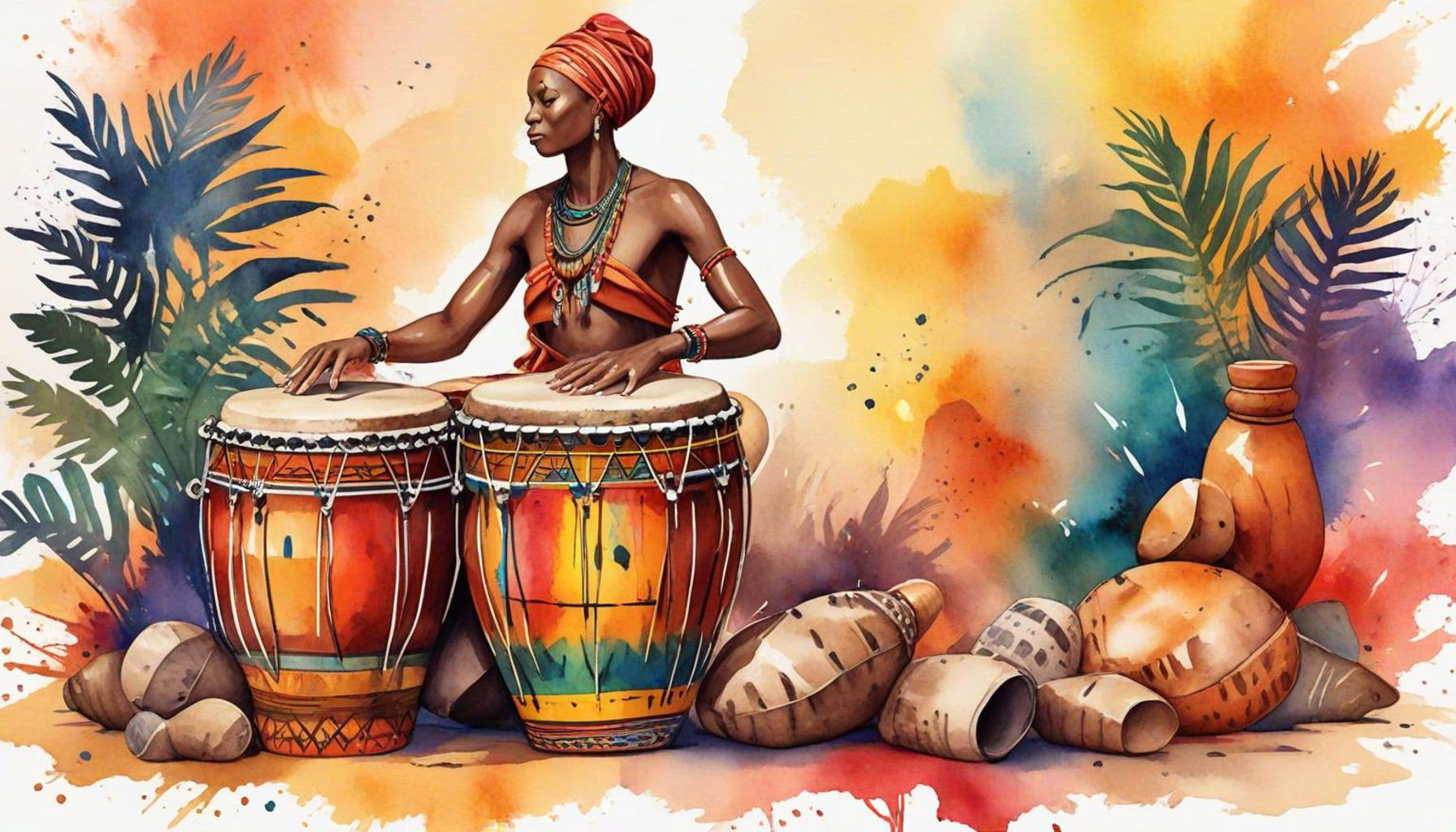
African drums are not merely musical instruments; they are vessels that encapsulate rich cultural heritage and facilitate deep emotional expression. By incorporating these drums into meditation practices, individuals can tap into their unique sounds and rhythms, facilitating a more profound meditative experience. Here are several compelling reasons why African drums are ideal for sound meditation:
Anúncios
- Rich Cultural Significance: African drums, such as the djembe, talking drum, and bongo, are often tied to ceremonial practices, rituals, and storytelling. Each drum carries deep spiritual meanings and reflects the traditions of diverse ethnic groups, making them more than just instruments but conduits of history and identity.
- Vibrational Energy: The rhythms produced by African drums resonate at frequencies that can profoundly promote relaxation and healing. Research suggests that rhythmic sounds can influence brain waves, lowering stress levels and facilitating a state of mindfulness. This connection with rhythm allows meditators to immerse themselves fully in their sessions, fostering a serene atmosphere conducive to emotional release.
- Diversity of Sounds: Different African drums produce a wide array of tones and pitches, from deep bass beats to high-pitched tones. This diversity enhances the meditative experience by allowing practitioners to explore various soundscapes during their sessions, adapting the experience to their personal preferences and emotional needs.
In Nigeria, drumming is intricately woven into the fabric of community life. From joyous celebrations like weddings to solemn ceremonies, drums play an integral role in uniting people through rhythm and shared experiences. By integrating these instruments into sound meditation sessions, practitioners can deepen their spiritual practice while also fostering a sense of community and belonging.
As you embark on your journey into sound meditation, you will discover that African drums have the potential to transform your experience. The combination of beats and breath can serve as a gateway to profound mindfulness, allowing for deeper introspection and emotional healing. Engaging with these musical traditions not only enriches your meditation but also connects you to the vibrant tapestry of African culture and history.
Anúncios
In conclusion, sound meditation using African drums offers a unique opportunity for individuals to explore the therapeutic dimensions of rhythm and music. By embracing these cultural instruments, practitioners in Nigeria and across the globe can find a powerful ally in their quest for peace and transformation.
Integrating African Drums into Your Meditation Practice
To fully experience the healing power of African drums in sound meditation, it is essential to understand how to effectively incorporate them into your routine. This process not only enhances your meditative practice but also deepens your connection with the rich cultural heritage that these instruments embody. Here are some practical steps and considerations for using African drums in your sound meditation sessions:
- Choose the Right Drum: Selecting an appropriate drum is crucial for your sound meditation. Popular choices include the djembe, which offers a robust sound that resonates well in larger spaces, or the smaller talking drum, which provides an intimate and versatile sound. Each drum has unique properties that can influence the meditation experience, so consider your personal preference and the atmosphere you aim to create.
- Create a Peaceful Environment: Establish a suitable space for meditation, free from distractions. Whether it’s in your living room or an outdoor setting, ensure that the space is comfortable and inviting. Adding soft lighting and natural elements can enhance the overall experience, allowing the vibrations of the drum to harmonize with the environment.
- Set Your Intention: Before beginning your sound meditation, spend a moment reflecting on your intentions. Are you seeking relaxation, emotional healing, or spiritual connection? Setting a clear intention can guide your practice and create a focused atmosphere, allowing the drumming to assist you in achieving your goals.
- Start with Breathwork: Begin your meditation by grounding yourself through breathwork. Take a few deep inhalations and exhalations, allowing yourself to settle into the rhythm of your breath. This practice not only prepares your mind for meditation but also connects you to the internal rhythm that will soon be enhanced by the drum.
Once you establish your environment and intentions, you can start integrating the rhythmic patterns of the drums. Begin slowly, tapping a steady beat that resonates with your breathing. Allow the sound to wash over you, filling the space with vibrations that promote relaxation and awareness. You may find a natural rhythm emerging, and you can gradually explore different beats, varying the tempo and intensity as you connect with your inner landscape.
In Nigerian culture, the drumming tradition is often accompanied by dance and communal singing, emphasizing the collective experience of rhythm. While sound meditation is typically a personal journey, consider inviting friends or family to join you in your sessions. This not only fosters a sense of community but also allows for a deeper exploration of sound as a shared experience. Group drumming can amplify the meditative state, creating a powerful collective energy that resonates with each participant.
In understanding how to use African drums in sound meditation, embrace their rich history and the energy they carry. Allow the drums to become a medium through which you explore your emotions, transcend your thoughts, and connect with the world around you. By doing so, you create a vibrant space for healing and transformation, steeped in the traditions that resonate through generations.
Exploring Rhythms and Techniques
As you delve deeper into using African drums in sound meditation, it is beneficial to explore diverse rhythms and techniques that can enhance your experience. Each rhythm carries its own significance and energy, contributing to various meditative states. Understanding some common rhythmic patterns can provide a framework for your practice.
Popular Rhythmic Patterns
The world of African drumming is rich with rhythm. Here are a few traditional patterns you can incorporate into your sound meditation:
- Basic Djembe Rhythm: A simple yet powerful starting point, the basic djembe rhythm can be played in a loop, allowing you to settle into a meditative state. You may use a sequence of “bass,” “tone,” and “slap” sounds, intertwining them to create a foundation for your practice.
- Call and Response: This traditional African technique involves a “call” played by one drummer and a “response” from another. Although typically performed in a communal setting, you can adapt this format for meditation by alternating between drumming and silence, allowing the space to resonate with the energies you’re invoking.
- Polyrhythms: As you become comfortable with more complex patterns, polyrhythms can add layered textures to your meditation. By playing different rhythms simultaneously, you create a rich tapestry of sound that encourages deeper levels of contemplation and emotional exploration.
Movement and Alignment
Incorporating movement into your sound meditation can profoundly enhance the experience. In many African traditions, drumming is combined with dance, allowing for an expressive release of energy. You may find that swaying gently or moving with the rhythm encourages a physical connection to the music, bringing your whole being into the meditation.
Additionally, consider aligning your body with the drum’s vibrations. Finding a comfortable seated position or lying down can help you feel the resonance against your skin. As you play or listen to the drum, focus on how the sound travels through your body, allowing it to guide your movements and breath.
Incorporating Voice and Song
In many African cultures, drumming is accompanied by song, which adds a layer of depth to sound meditation. You can experiment with chanting simple phrases or mantras that resonate with your intention. This vocal element not only amplifies the vibrational experience but also connects you to the communal aspects of drumming, even in an individual practice.
Consider learning traditional songs from various African cultures, such as Yoruba or Igbo chants. These melodies often carry historical significance and can deepen your connection to the cultural roots of the drums. Engaging your voice in this way can create a dynamic interaction between rhythm, chant, and spirit.
Ultimately, the use of African drums in sound meditation presents a unique opportunity to connect with healing traditions. By exploring various rhythms, integrating movement, and incorporating your voice, you create a multifaceted practice that honors the cultural significance of these powerful instruments. This holistic approach not only enhances your personal meditation journey but also fosters a profound respect for the heritage that informs this beautiful practice.
Conclusion: Embracing the Power of African Drums in Meditation
In conclusion, the integration of African drums into sound meditation offers not just a practice but an experience deeply rooted in cultural significance and communal tradition. By engaging with the rich rhythmic patterns, such as the basic djembe rhythm, call and response, and polyrhythms, practitioners can unlock profound states of relaxation, reflection, and emotional release. These rhythms make way for a unique exploration of personal feelings and collective consciousness.
The incorporation of movement and alignment enhances the meditative experience, allowing participants to feel the drum’s vibrations resonate through their bodies. This physical connection fosters a deeper understanding of oneself within the context of the rhythmic flow. Moreover, including voice and song can enrich the practice, enabling a spiritual dialogue that transcends mere sound—an embodied expression that reflects deep cultural histories, including those of Nigeria’s diverse ethnic groups and traditions.
As you embark on your journey with African drums in sound meditation, consider the importance of intention and the stories that each beat carries. This practice not only enriches your individual meditation journey but honors the remarkable heritage of African drumming. By immersing yourself in this holistic approach, you become part of a greater narrative—a celebration of rhythm, spirit, and the timeless connection between humanity and music. Let the drums guide you towards deeper self-awareness and harmony as you explore this age-old practice.