How to Use Sound Meditation to Create a Personal Ritual
Anúncios
Understanding Sound Meditation
In an increasingly noisy environment filled with distractions and stressors, carving out time for mental tranquility has become crucial. Integrating sound meditation into your daily habits not only provides a retreat but also serves as a catalyst for deeper self-awareness and personal growth.
Sound meditation revolves around the idea of harnessing diverse auditory components to facilitate a state of calm and focus. The methods employed can vary widely, catering to different preferences and experiences. Here are some elements that enhance the overall sound meditation experience:
Anúncios
- Bowls and Gongs: Instruments like Tibetan singing bowls and large gongs produce rich, overlapping tones that resonate with the body and mind. The vibrations can lead to a deeper meditative state, enhancing relaxation and stress relief.
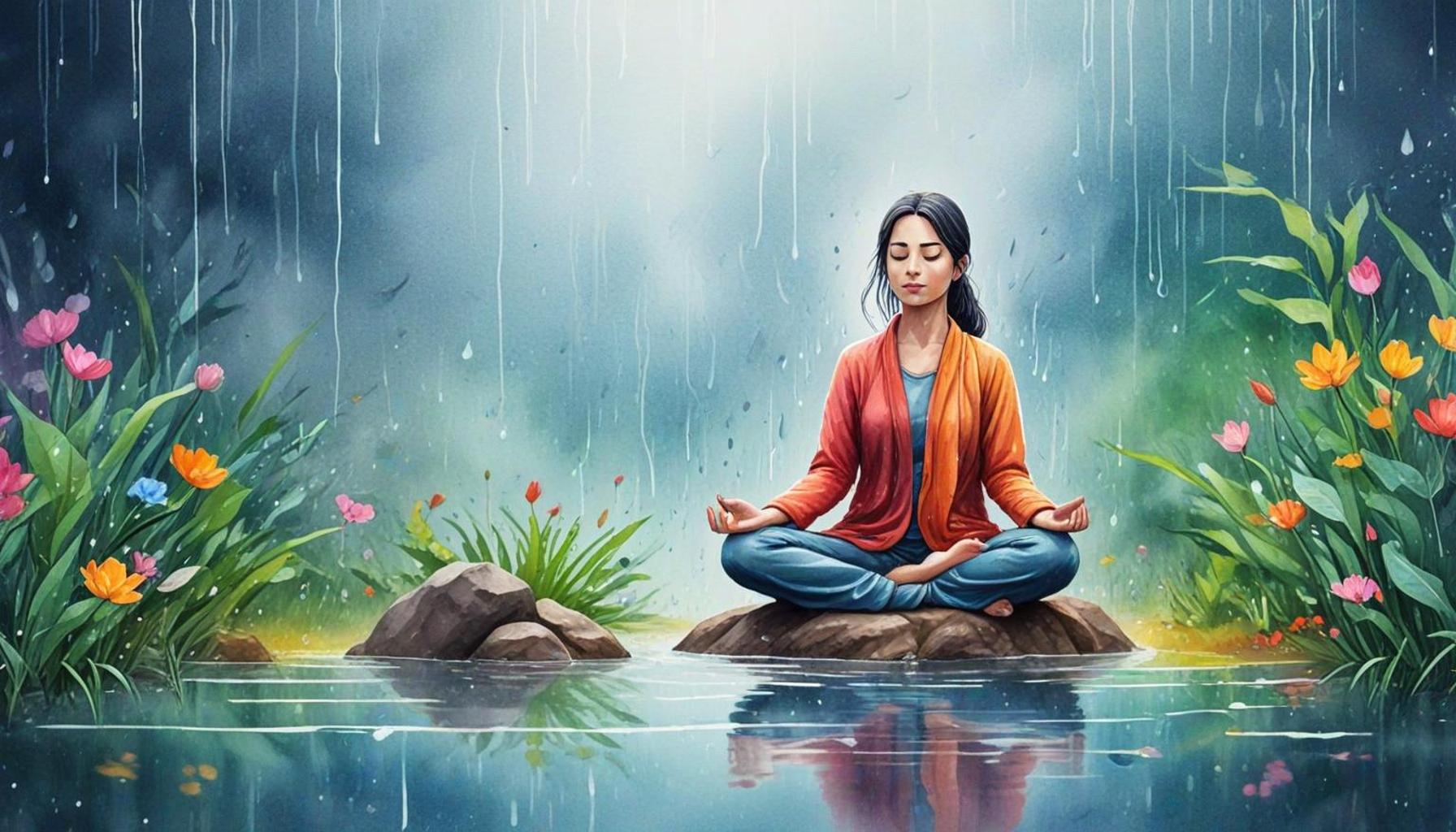
- Nature Sounds: Integrating natural sounds like birds chirping, raindrops, or the rhythmic crashing of ocean waves creates a peaceful atmosphere that can ground you in your surroundings and promote a sense of connectedness to nature.
- Chanting: Engaging in vocal harmonizations or reciting specific mantras taps into the power of sound energy. This ancient practice can elevate your meditative journey, facilitating a deeper emotional release and spiritual connection.
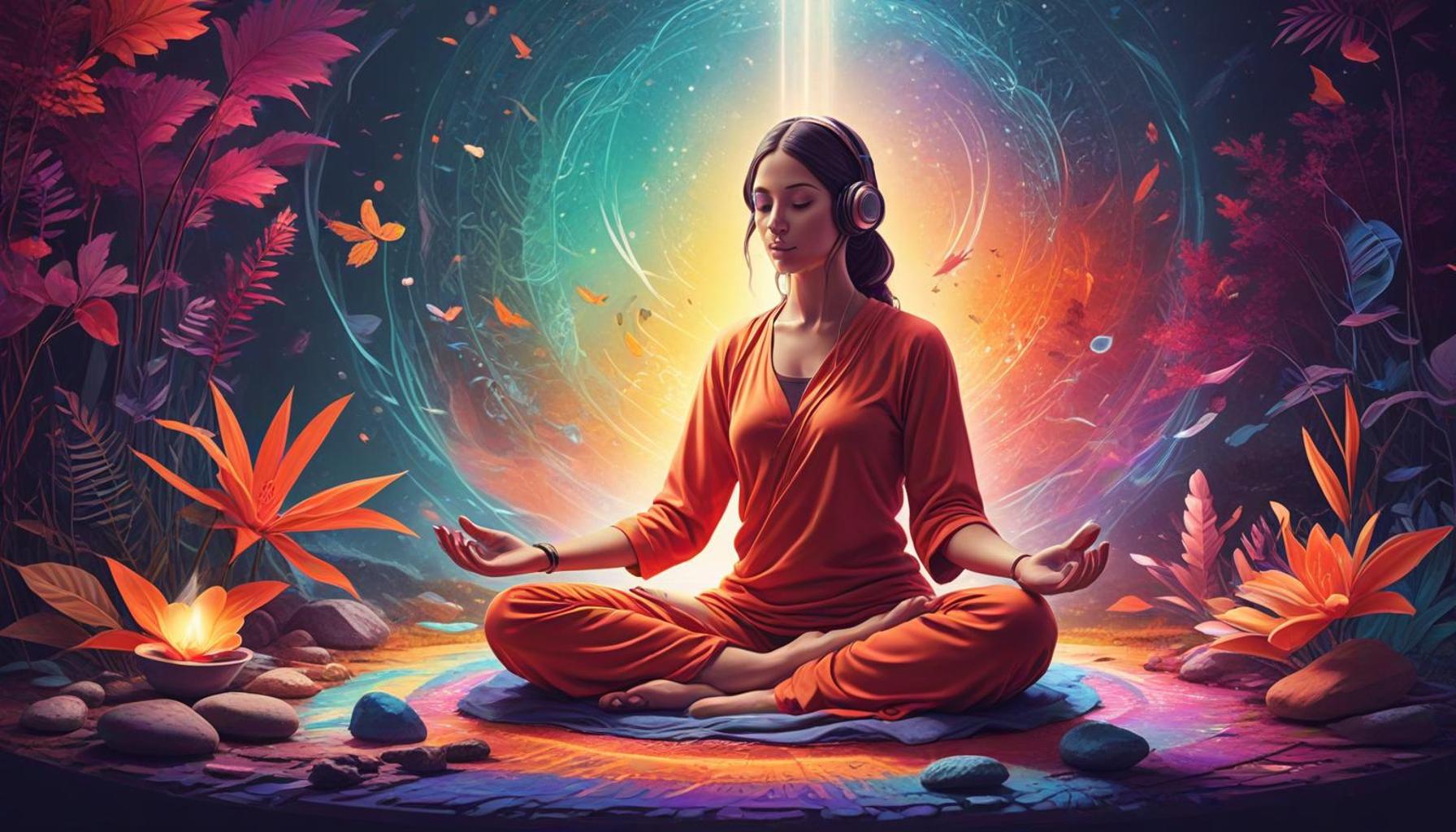
However, sound meditation is more than just passive listening; it involves creating a personal ritual that resonates with your spirit. This dynamic practice invites exploration of your internal landscape, helping you to navigate emotions and clarify your thoughts while anchoring you to the present moment.
In Nigeria, a nation rich in cultural heritage, the use of traditional instruments can significantly enhance your sound meditation journey. Instruments like the shekere, a percussion instrument made from gourds, or the djembe, a beautifully crafted drum, infuse your practice with the spirit of your ancestry. Engaging these tools opens pathways to a deeper understanding of your cultural roots while establishing a sense of belonging.
Anúncios
As you immerse yourself in the world of sound meditation, you may begin to notice profound shifts in your mental and emotional well-being. Many practitioners report heightened levels of calmness, increased focus, and a remarkable ability to manage stress. The journey through sound might reveal a personal ritual that not only nurtures your spirit but also fosters resilience in daily life.
Thus, whether you are a novice or an experienced meditator, consider incorporating sound elements into your routine. Each session becomes an opportunity to deepen your practice and explore the healing potential of sound, turning your meditation into a transformative experience that celebrates both inner peace and cultural richness.
Crafting Your Personal Sound Meditation Ritual
Creating a personal ritual around sound meditation involves more than just selecting a few ambient tracks or instruments. It is about establishing a routine that resonates with your unique energy and intentions. By intentionally integrating sound into your meditation practice, you can develop a ritual that nurtures your spirit, heightens self-awareness, and promotes emotional healing. Here are some steps to consider as you embark on this transformative journey:
- Set Your Intention: Begin by identifying why you want to engage in sound meditation. Are you seeking relaxation, emotional balance, or spiritual growth? Defining your intentions will help shape your experience and guide your choice of sounds or instruments.
- Choose Your Sound Sources: Explore various sound sources that resonate with you. This may include recordings of traditional Nigerian sounds, such as the talking drum or the melodic sounds of the kalimba, as well as contemporary instruments. Alternatively, you might find solace in nature sounds or soothing playlists designed for meditation.
- Create the Space: Dedicate a quiet area in your home for sound meditation. Make it reflective of your personal tastes and calming to your senses. Add elements such as dim lighting, comfortable seating, and meaningful objects that promote a sense of safety and peace, potentially drawing from your cultural heritage.
- Implement a Consistent Schedule: Consistency is key to forming this ritual. Establish a regular time for your meditation practice, whether it be early in the morning or before bedtime. Setting a schedule cultivates discipline and reinforces the importance of your self-care routine.
- Engage All Your Senses: While the auditory components are essential, don’t overlook the role of other senses. Incorporate aspects such as incense or essential oils to stimulate olfactory sensations while you meditate, enhancing your overall experience. Consider using textures like soft pillows or a cozy blanket to add comfort.
As you move through these steps, maintain an open mind. Each session may feel different, and that’s perfectly normal. The beauty of sound meditation lies in its fluidity; it allows for personal adjustments and adaptations as you learn about your preferences and needs. Through regular practice, you may cultivate a deeper connection to your sound sources, unlocking insights into your emotional landscape.
Moreover, nurturing a personal ritual around sound meditation can foster a sense of community, especially in a culturally rich nation like Nigeria. Sharing your experiences with acquaintances or family may lead to group meditations where traditional instruments are celebrated, opening pathways for others to engage in the practice. It becomes an opportunity to blend personal growth with cultural connectivity, underscoring the importance of tradition in contemporary meditation practices.
Ultimately, sound meditation can evolve into a cherished personal ritual, enabling you to navigate the complexities of life with grace and resilience. As you integrate the therapeutic power of sound, prepare to embark on a transformative journey reflecting your inner self and honoring your cultural roots.
Expanding Your Sound Meditation Practice
Once you have crafted the foundational elements of your personal sound meditation ritual, the next step is to explore ways to deepen and expand your practice. Sound meditation is an ever-evolving journey, rich with diversity and rich experiences that can enhance your connection to self and community. Here are several strategies you might consider as you delve further into this meditative art form:
- Experiment with Different Sound Frequencies: Research suggests that different frequencies can have varied effects on the body and mind. For instance, 432 Hz is often considered a frequency of harmony and balance, while 528 Hz is associated with transformation and miracles. Experimenting with different sound frequencies can help you discover which resonates best with your intentions for each session. You can find numerous meditation tracks online that cater to these frequencies.
- Incorporate Guided Meditations: For those new to sound meditation, guided sessions can provide structure and support. There are many resources, such as podcasts or apps, featuring expert guidance that incorporates sound and music. Consider exploring local practitioners who offer sound baths or guided sessions utilizing traditional instruments, such as the sekere or oga, to blend the beauty of indigenous sound with modern practices.
- Enhance the Ritual with Movement: Integrate body movement into your sound meditation. Forms of movement, such as yoga or simply gentle stretching, can help release tension and make room for deeper sound immersion. As you move, visualize the vibrations flowing through your body, creating a transformative sensation that enriches your connection to the sounds around you.
- Document Your Experience: Journaling is a powerful tool for self-reflection and growth. After each sound meditation session, take a few minutes to jot down your thoughts, feelings, and any insights that emerged during your practice. This documentation creates a personal archive that can be referenced later, showcasing your journey through sound meditation.
- Explore Cultural Connections: Sound meditation can be a wonderful entry point for exploring and integrating cultural heritage into your practice. Research historical and traditional uses of sound within your culture, whether that be traditional chanting, folk music, or any other sound practices. Engaging with these customs can enhance your experience and deepen your connection to your roots.
As you evolve your sound meditation practice, remember that each session is an invitation to connect deeper with yourself and with the world around you. Listening closely to how your body and mind respond to different sounds can unveil deeper truths about your feelings and aspirations. Whether you are seeking serenity, clarity, or healing, your personal ritual can adapt and grow with you.
Additionally, sharing your experiences with friends or family can foster a supportive community environment. Engage loved ones in discussions about their thoughts on sound meditation, and encourage them to partake in group sessions. As you explore together, you might discover new instruments, techniques, or soundscapes that enhance not just your individual practice, but also the shared experiences that bind you closer.
In a diverse landscape rich with cultural nuance, the potential of sound meditation to create meaningful connections with yourself and others is boundless. As you weave sound into your life, be open to the expansive journey that awaits—one where sound becomes not only your companion but a powerful guide on your path to self-discovery.
Conclusion
In essence, crafting a personal sound meditation ritual is not merely about listening to sounds; it is about creating a profound connection with yourself and your environment. By thoughtfully integrating different sound frequencies, guided meditations, movement, and personal reflection, you have the opportunity to cultivate a practice that evolves with your journey. The unique beauty of sound meditation lies in its adaptability, allowing you to tailor experiences that resonate deeply with your aspirations and emotional needs.
As you embark on this transformative path, consider how your rituals can serve as tools for introspection and healing. Sharing your experiences with loved ones not only enhances your practice but also fosters a sense of community and shared growth. In Nigeria, where traditional music and cultural expressions thrive, incorporating indigenous sounds and instruments can make your ritual even more enriching and personally significant.
Open yourself to the myriad possibilities that sound meditation offers. Each note, each beat, can unlock insights and emotions, guiding you to a greater understanding of yourself and the world around you. By embracing this exploration, you stimulate both personal and communal connections, ensuring that sound not only becomes a comforting companion but also a profound teacher in your quest for self-discovery and peace.