African Relaxing Music: How to Use It in Daily Meditation
Anúncios
Exploring the Calming Power of African Melodies
African relaxing music serves as a profound means to achieve mindfulness and tranquility. The continent’s rich tapestry of rhythms and melodies encompasses distinct cultural echoes that not only enhance meditation practices but also provide a deep-seated connection to ancestral stories. It’s an opportunity to immerse oneself in the spiritual essence of numerous African traditions, promoting both emotional and mental well-being.
The Benefits of African Relaxing Music
- Connection with Nature: Instruments such as the kalimba and djembe carry sounds reminiscent of the African landscape. The kalimba, often called the African thumb piano, has natural tone qualities that mimic the gentle rustle of trees or the flowing of a river. The djembe, with its powerful beats, can evoke the feel of distant thunder or the footsteps of wildlife, bringing you closer to nature with every note.
- Cultural Richness: African music is not merely for entertainment; it encapsulates stories and myths from various tribes. For example, the Yoruba people use music to pass down history and folklore through generations. Incorporating such cultural sounds into your mindfulness practices allows for a deeper understanding and appreciation of Africa’s diverse heritage.
- Soothing Effects: Research has shown that music therapy can alleviate symptoms of stress and anxiety. The calming rhythms characteristic of African music create an ideal atmosphere to reduce cortisol levels in the body. Songs featuring gentle percussion or harmonious vocal styles can enhance concentration during meditation and serve as a focal point that anchors the mind.
Imagine enveloping yourself in the soft beats of a talking drum or the ethereal sounds of an African flute while you meditate. This sensory experience not only transforms your meditation environment into a serene sanctuary but also fosters a profound connection with your own spirit and the world around you. Engaging with these musical forms not only aids relaxation but also enhances your journey inward, inviting self-discovery.
Anúncios
Ways to Integrate Music into Meditation
- Choose Your Sound: Venture into the diverse genres of African music, such as highlife, with its upbeat melodies, or the meditative qualities of traditional folk music. Discovering what truly resonates with you can elevate your meditation experience.
- Create a Playlist: Curate a personalized playlist featuring tracks that align with your meditation goals. Consider using instruments like the ngoni or the marimba to enrich your listening experience, providing layers of sound to support your practice.
- Set the Mood: Beyond music, enhance your atmosphere by incorporating candles or incense inspired by local traditions. The scent of frankincense or other natural aromas can deepen relaxation, leading to a more fulfilling meditation session.
Integrating African relaxing music into your daily routine transcends mere auditory enjoyment; it becomes a celebration of culture and a holistic approach to wellness. By allowing yourself to be immersed in these sounds, you not only create a mindful space for reflection but also honor the vibrant heritage of Nigeria and the greater African continent. Embrace this unique auditory journey and discover the enriching layers of peace it can bring to your life.
Understanding the Essence of African Sounds
To fully appreciate the role of African relaxing music in daily meditation, one must first discern its intricate relationship with the various cultures across the continent. Each musical piece resonates with the spirit of its people, reflecting their landscapes, traditions, and emotions. The profound connection between music and meditation extends beyond mere aesthetics; it encompasses the essence of communal understanding and personal introspection.
Anúncios
The Role of Traditional Instruments
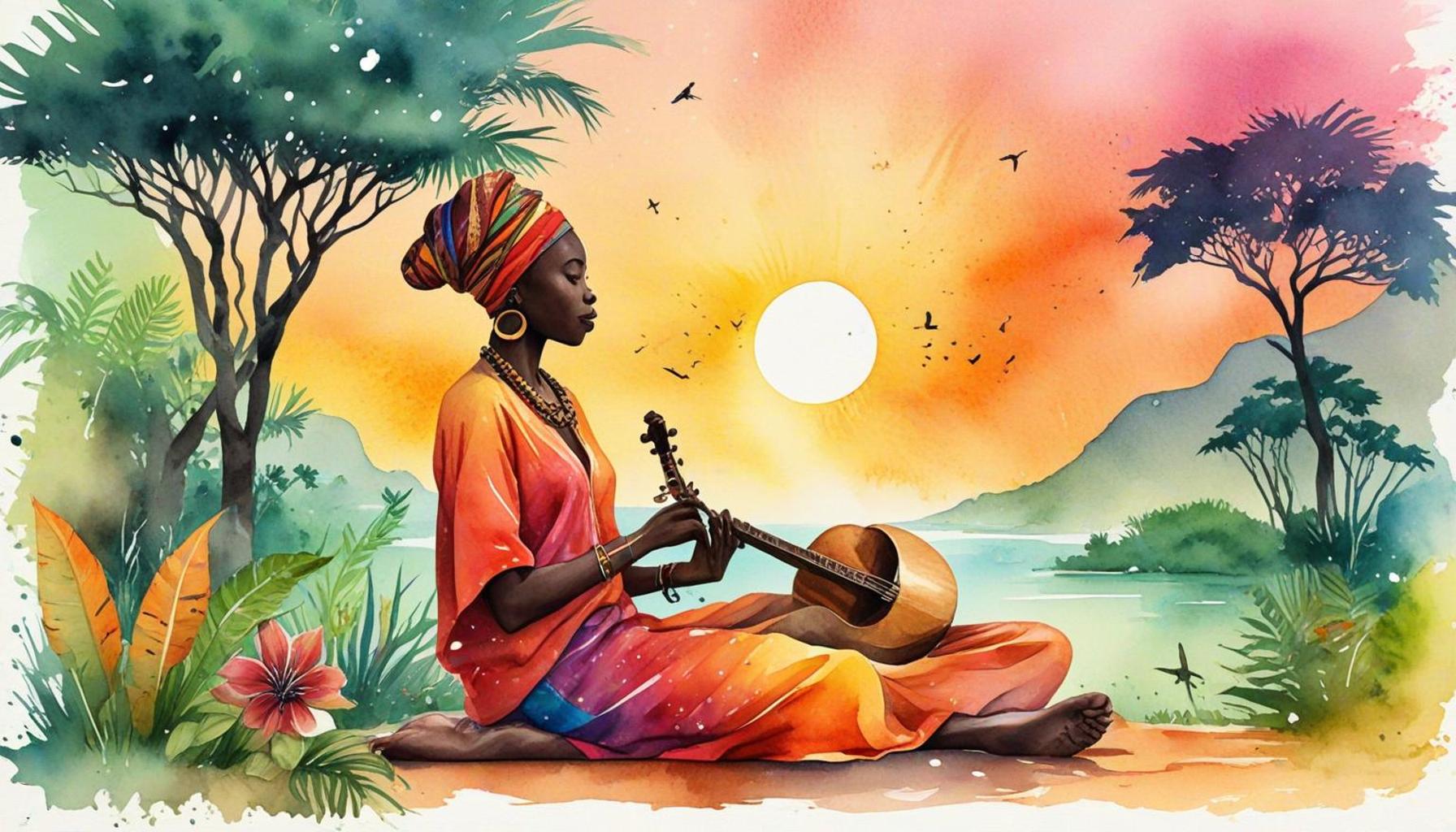
African music is defined by its unique instruments, each contributing distinctive sounds that can enhance a meditative state. Instruments like the mbira or thumb piano are known for their calming, melodic tones, which can serve as a gentle backdrop to your meditation practice. The vibrant sounds of this traditional instrument are often used in rituals, believed to communicate with ancestral spirits, further deepening its connection to spiritual exploration.
The kora, a 21-stringed West African harp, brings a celestial quality to music that is ideal for meditation. Its ethereal sound can transport the listener to a serene landscape of rolling hills and flowing rivers, creating a perfect mental escape. The rhythms of the djembe drum, while often more upbeat, can also provide a heart-thumping beat that resonates with one’s life force, allowing practitioners to get grounded and centered as they delve into their meditative practices.
Finding Your Unique Rhythm
When integrating African relaxing music into your meditation, consider these essential tips:
- Explore Varied Genres: African music spans a multitude of styles, from the soulful melodies of Afrobeats to the hypnotic sounds of traditional tribal music. Take time to explore different genres to find what resonates best with your personal practice.
- Employ Soundscapes: Music is a powerful tool for creating soundscapes that aid in relaxation. Consider blending natural sounds with African music, like bird calls or water flowing, to craft a peaceful environment that enhances your meditation focus.
- Listen Mindfully: Engage fully in the listening experience. Instead of using music as background noise, immerse yourself in the sounds, feeling the vibrations and tones as they move through you. This active engagement can enhance your meditative state and lead to deeper self-reflection.
By understanding the components of African relaxing music and recognizing how traditional instruments can influence meditation, practitioners can create a rich audio experience that fosters tranquility. This journey through sound unveils a path to inner peace, resonating with the sounds of the past while paving the way for mindful practices today. Recognizing the historical and cultural significance of these melodies invites a deeper appreciation, allowing individuals to find solace not just in the music but in the profound connections it fosters with the cultural heritage of Africa.
Creating an Inviting Atmosphere for Meditation
To enhance your meditation practice with African relaxing music, it’s essential to curate a space that encourages introspection and tranquility. This environment serves as a retreat from the chaos of daily life, allowing you to immerse yourself fully in the soothing rhythms. Begin by selecting a comfortable location, ideally somewhere quiet and free from distractions. Natural light or soft candles can create a warm ambiance, while elements such as plants or fabrics that reflect African artistry add to the sensory experience.
Incorporating Movement and Breath
While listening to African relaxing music, consider integrating gentle movement and breathwork into your practice. This dynamic interplay can deepen your engagement with the music. The repetitive sounds of the djembe, combined with a flowing body movement, can help release tension and promote inner calm. You might try light stretches or even slow dance-like movements, letting the music guide your body, allowing you to feel each sound resonate within you.
In coordination with this, focus on your breath. As you breathe deeply, synchronize your inhalations and exhalations with the rhythm of the music. This idea draws on the traditional African concept of breath as life, reinforcing the connection between your physical body and the soundscapes around you. When your breath becomes steady and aligned with the music, it creates a meditative loop, amplifying the connection to your inner self.
Layering Techniques for Enhanced Experience
To deepen your connection with African relaxing music during meditation, you can layer techniques and elements that blend sound and silence. Here are some strategies:
- Guided Visualization: Pair your music with guided imagery to strengthen your focus. For instance, envision yourself in a serene African landscape, surrounded by nature’s beauty as you listen to the calming sounds of the kora.
- Mindfulness Practice: Alternate between periods of music and silence. Allow yourself to absorb the music fully and then pause to reflect in silence, noting any feelings or thoughts that arise. This balance fosters a deeper state of self-awareness.
- Rhythmic Drumming: Experiment with using percussion instruments along with your music. Clapping your hands or softly playing a traditional African drum like the talking drum can amplify the experience, creating a community feeling within your meditation, reminiscent of cultural gatherings.
Utilizing these layered techniques can change a simple listening exercise into a holistic meditative practice. As each session unfolds, you’ll notice the subtle shifts within your mindset, enhancing your ability to connect with the diverse heritage that this music represents. Embrace this evolution in your meditation, allowing African musical traditions to guide your journey towards greater awareness and serenity.
Conclusion: Embracing African Music in Meditation
Integrating African relaxing music into your daily meditation practice offers a unique opportunity to connect with the rich cultural tapestry of the continent while fostering inner peace and mindfulness. The rhythmic complexity of various instruments, such as the djembe and kora, not only provides a soothing backdrop but invites you to engage on deeper levels through movement and breath. As you explore the layering techniques discussed, remember that each session serves as a pathway into self-discovery, allowing you to cultivate a sense of serenity amidst life’s bustle.
Moreover, the act of creating an inviting atmosphere enhances your experience, drawing from the powerful African tradition of communal gatherings, where music is a central element. Utilizing tools such as guided visualization or rhythmic drumming can transform a simple meditation session into a profound journey of exploration. It’s in these moments of immersion that you may find clarity and perspective, prompting a richer appreciation for your surroundings and your inner world.
As you continue this meditative practice, consider the broader implications of sound on well-being. Explore diverse African genres, from traditional to contemporary, and allow them to shape your exploration of mindfulness. This journey not only honors the artistry of African music but also serves as a bridge to greater emotional health and community connection. So, immerse yourself, breathe deeply, and let the soothing melodies guide you toward a more harmonious existence.